


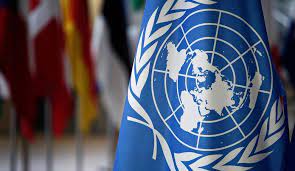
Niger is facing a deteriorating humanitarian situation and rising levels of violence following a military insurgency, representative of the Office of the UN High Commissioner for Refugees for Niger, Emmanuel Gignac, said at a briefing, SİA informs referring to UN website.
Gignac observed that food and commodity prices, already climbing before this crisis, jumped after sanctions were introduced. If humanitarians are unable to bring in food and medical assistance, the effects may be “catastrophic”, he warned.
Moreover, the security situation, fuel shortages and disruptions to the UN Humanitarian Air Service (UNHAS) have seriously impacted aid workers’ mobility, keeping them from reaching those most in need.
Gignac also voiced concern for the impact of the sanctions on electricity supply “we are almost constantly on generators, and consuming a lot of fuel” he said, indicating the inevitable impact on fuel supply in months to come. The ongoing political crisis, with no clear solution in sight, is generating uncertainty and concern as Niger continues to experience repeated attacks by non-State armed groups, especially near the Mali and Burkina Faso borders, said UNHCR.
Recent violence has led to an extra 20,000 newly displaced in the last month according to Gignac, who noted that an increase in security incidents over the past few weeks has heightened protection risks for refugees, asylum-seekers and their hosts.
For example, in July UNHCR monitored 255 protection incidents including kidnapping, gender-based violence and domestic violence.
According to UNHCR there are some 700,000 forcibly displaced people in the country. Half of them internal, while the other half are refugees and asylum seekers mainly from Mali and Burkina Faso.
Referencing the recent update to UNHCR’s contingency planning, Gignac warned that the current humanitarian response couldn’t address any new shocks, such as the sudden movement of tens of thousands of new refugees, and any resulting humanitarian needs.
UNHCR has therefore called on States to consider a sanction exemption mechanism, particularly amidst restrictions on movement and rising food and commodity prices.
Gignac stressed that UNHCR’s stocks of essential items, catering for about 5,000 families, are only expected to last for three to five months.
Bütün xəbərlər Facebook səhifəmizdə












 USD
USD
 EUR
EUR
 GBP
GBP RUB
RUB