



Against the backdrop of risks linked to the conflict in the Middle East, Azerbaijan's overall external economic position remains very strong.
According to SİA, citing the macroeconomic outlook for CIS countries published by ING Group, the largest Dutch banking holding, the war in the Middle East affects the CIS region through several channels, including rising fuel prices, reduced global risk appetite, potential trade disruptions, and higher inflation.
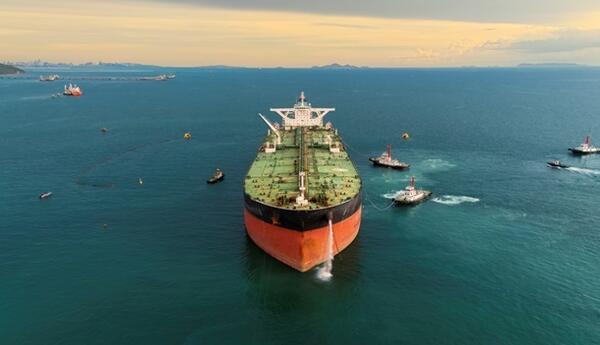
The document highlights that rising oil prices improve the export prospects of Azerbaijan and Kazakhstan, while putting pressure on energy‑import‑dependent Armenia.
ING analysts raised their forecast for Brent crude in 2026 to $82 per barrel (+$20), noting that risks point toward even higher prices. Dependence on imports from the EU, other developed countries, Türkiye, Iran, and GCC states remains a key vulnerability. They also expect Kazakhstan's economy to slow in 2026 due to VAT increases.
The report stresses that escalation in the Middle East is amplifying global inflation risks, which favors a cautious approach across the region. Azerbaijan's manat remains reliably stable against the US dollar, while Armenia's dram appears overvalued. Short‑term prospects for Kazakhstan's and Uzbekistan's currencies are assessed positively. Analysts estimate that every additional $10 increase in oil prices per barrel adds about $3 billion (4% of GDP) to Azerbaijan's annual exports and $1.5–2.0 billion in extra budget revenues. While defense and security spending may need to rise, Azerbaijan's fiscal position remains strong: in 2025, the consolidated budget surplus equaled 2.6% of GDP, and sovereign savings exceeded 100% of GDP.
GDP growth could return to the 2–3% range in 2026–2027, provided that fiscal policy is not overly restrictive and trade relations with the US, EU, and China continue to improve, the document said.
The outlook also notes positive factors in Azerbaijan's non‑oil sector, such as stable corporate lending growth and signs of renewed investment activity. Azerbaijan's fiscal breakeven oil price remains around $59 per barrel.
Although the inflation indicators of 2025 generally matched historical averages, they accelerated at the beginning of 2026 following increases in domestic utility tariffs. Food and services, which were the main drivers of disinflation in 2024, have since shifted the trend, partly due to these tariff hikes. Considering that nearly half of imports come from regions exposed to inflation risks linked to the Middle East, the overall consumer price index faces upward risks.
Analysts noted that a 10% increase in global food prices adds 1.5 percentage points to overall inflation in the country.
Regarding the positive balance of the current account in the balance of payments, experts emphasized that it is achieved mainly through oil and gas exports, with the EU accounting for 62% of this share. Against this backdrop, imports from the United States rose to 9% in 2025, reflecting Washington's broader strategic interest in the region in the context of the Trump Route for International Peace and Prosperity (TRIPP) project. In addition, Azerbaijan has diversified its import geography, strengthening ties with China (15%) and further reducing dependence on Russia (11%).
Azerbaijan's overall external economic position remains very strong. Sovereign assets, including Central Bank reserves and SOFAZ holdings, amount to roughly 115% of GDP. According to experts, these buffers should allow the AZN/USD exchange rate to be maintained at 1.70 even if oil prices temporarily fall below the breakeven threshold of around 60 USD per barrel.
According to the ING macroeconomic outlook, the fundamental outlook for credit strategy is broadly positive. Azerbaijan's ratings are already firmly in investment grade, and despite certain risks of negative spillovers from the Middle East conflict, Moody's maintains a positive outlook. The ongoing peace process with Armenia, given recent progress, is expected to serve as a stronger positive catalyst at this stage. In this context, assessments appear attractive for Azerbaijan, and the country should act as a reliable safe‑haven asset in the event of a prolonged conflict in the Middle East and sustained oil price volatility.

Bütün xəbərlər Facebook səhifəmizdə
.png)




.png)









.png)


 USD
USD
 EUR
EUR
 GBP
GBP RUB
RUB