


.jpg)
For many years, companies sought to build their reputation mainly through television, newspapers, news portals, and advertising campaigns. However, the digital era has completely changed the rules of communication. Today, people trust not only advertising messages and official statements, but also the opinions of real individuals, their personal experiences, and sincere forms of communication. That is why in modern PR, “employee advocacy” — the voluntary role of employees as brand ambassadors — and internal communication strategies have come to the forefront. In the corporate communications model, the strongest PR tool of a company is considered to be its employees. Staff members are no longer just personnel performing specific duties; they have become a living communication channel that shapes the company’s reputation. If an employee speaks positively about their organization, it creates greater trust among audiences, as people believe human experience more than corporate advertising.
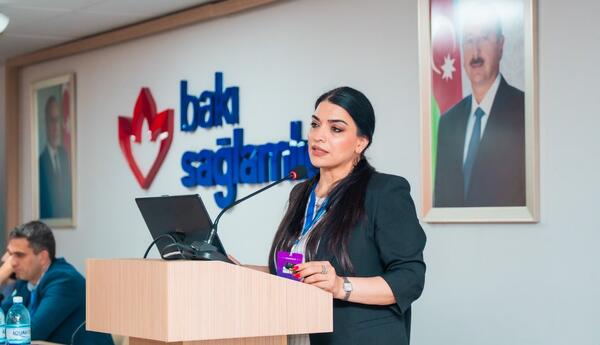
The concept of “employee advocacy” refers to employees voluntarily representing their company. In this model, employees naturally demonstrate the company’s values and corporate culture on social media, professional platforms, at events, and in everyday communication. The rapid growth of the LinkedIn platform has especially turned employee advocacy into one of the key directions of PR strategies. Today, many international companies support employees in building their personal brands, strengthening their expert positioning, and encouraging professional social media activity.
In modern PR, internal communication is also a strategically important direction. Previously, it was seen mainly as the transmission of announcements and instructions within a company. Today, internal communication is considered one of the key pillars of corporate culture and reputation management. A transparent information environment, open dialogue between management and employees, and a properly structured communication system form an internal culture of trust.
Especially during crisis periods, internal communication is of vital importance. If employees are not informed in a timely manner about ongoing internal processes, an information vacuum emerges, which is filled with rumors, misinformation, and unofficial news. Therefore, a key principle in modern PR strategies is: “employees should be the first informed audience.” Leading global companies begin crisis communication precisely with their internal audience.
Companies have already made employee advocacy programs an integral part of their corporate strategy. They believe that motivated, loyal, and value-driven employees not only increase productivity but also significantly strengthen the company’s reputation.
The development of social media has further strengthened the employee advocacy model. Today, a LinkedIn post shared by an employee can sometimes generate more trust than a multimillion-dollar advertising campaign. People perceive the “voice of a real person” as more sincere and convincing. Therefore, companies actively support employees in building personal brands, publishing expert articles, speaking at conferences, and developing professional reputations.
In the modern era, the concept of “corporate influencer” has also become widely used. Companies are beginning to view employees not only as executors of tasks but also as an essential part of their communication strategy. A strong personal brand of an employee increases trust in the company, creates an emotional connection with the audience, and strengthens a human-centered corporate image.
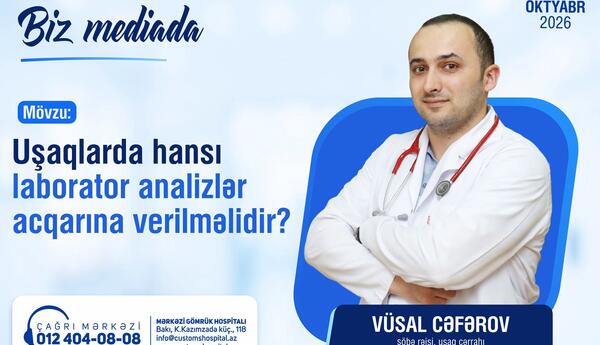
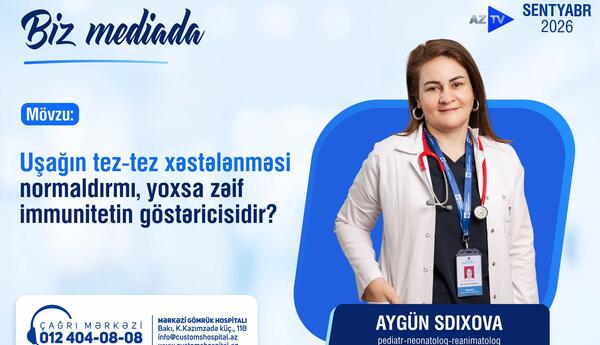
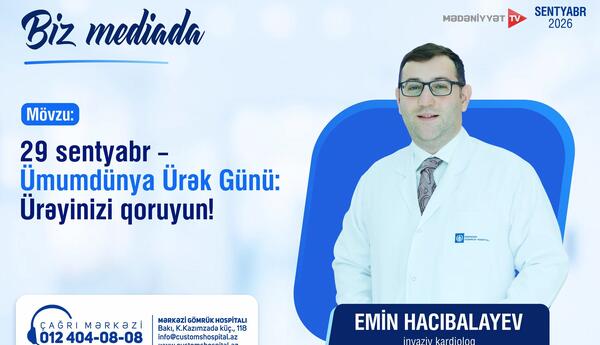
In the healthcare sector, employee advocacy is particularly important. Patients trust not only the hospital brand but also individual doctors and medical staff. Therefore, in modern medical PR strategies, the personal reputation of doctors and their expert positioning are key directions. Doctor interviews, educational videos, social media content, expert medical articles, and public awareness projects significantly influence patient trust.
In addition, employee advocacy provides companies with advantages not only in reputation management but also in employer branding. People are not only looking for high-paying jobs; they want to work in organizations with a healthy corporate culture, transparent communication, and a motivating work environment. In this regard, positive employee experiences significantly contribute to attracting new talent.
Today, PR is no longer limited to media relations. Modern PR has become an integration of human psychology, corporate culture, reputation management, social media behavior, and digital communication systems. A strong reputation is not built through advertising alone. It is primarily formed inside the organization — through trust, employee satisfaction, and sincere communication.
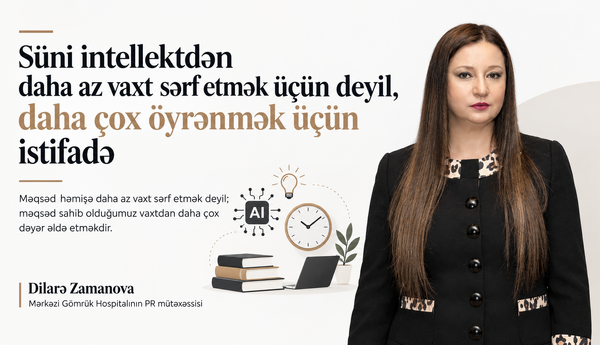
PR Specialist of the Central Customs Hospital
Dilara Zamanova
Bütün xəbərlər Facebook səhifəmizdə
.jpg)
.jpg)







.jpg)

.png)

 USD
USD
 EUR
EUR
 GBP
GBP
 RUB
RUB