


Interview with Dr. Tarana Goyushova, Pediatrician at the Central Customs Hospital, on the Irreplaceable Role of Breast Milk in Infant Health
.jpg)
Breast milk is nature’s most precious and irreplaceable gift for a newborn baby. It not only provides all the essential nutrients required for healthy growth and development but also plays a vital role in strengthening the immune system, supporting brain development, and fostering a strong emotional bond between mother and child.
What makes breast milk so unique? Why is exclusive breastfeeding during the first six months of life so important? What are the benefits of colostrum—the first milk produced after birth? And how can the most common questions young mothers have about breastfeeding be answered?
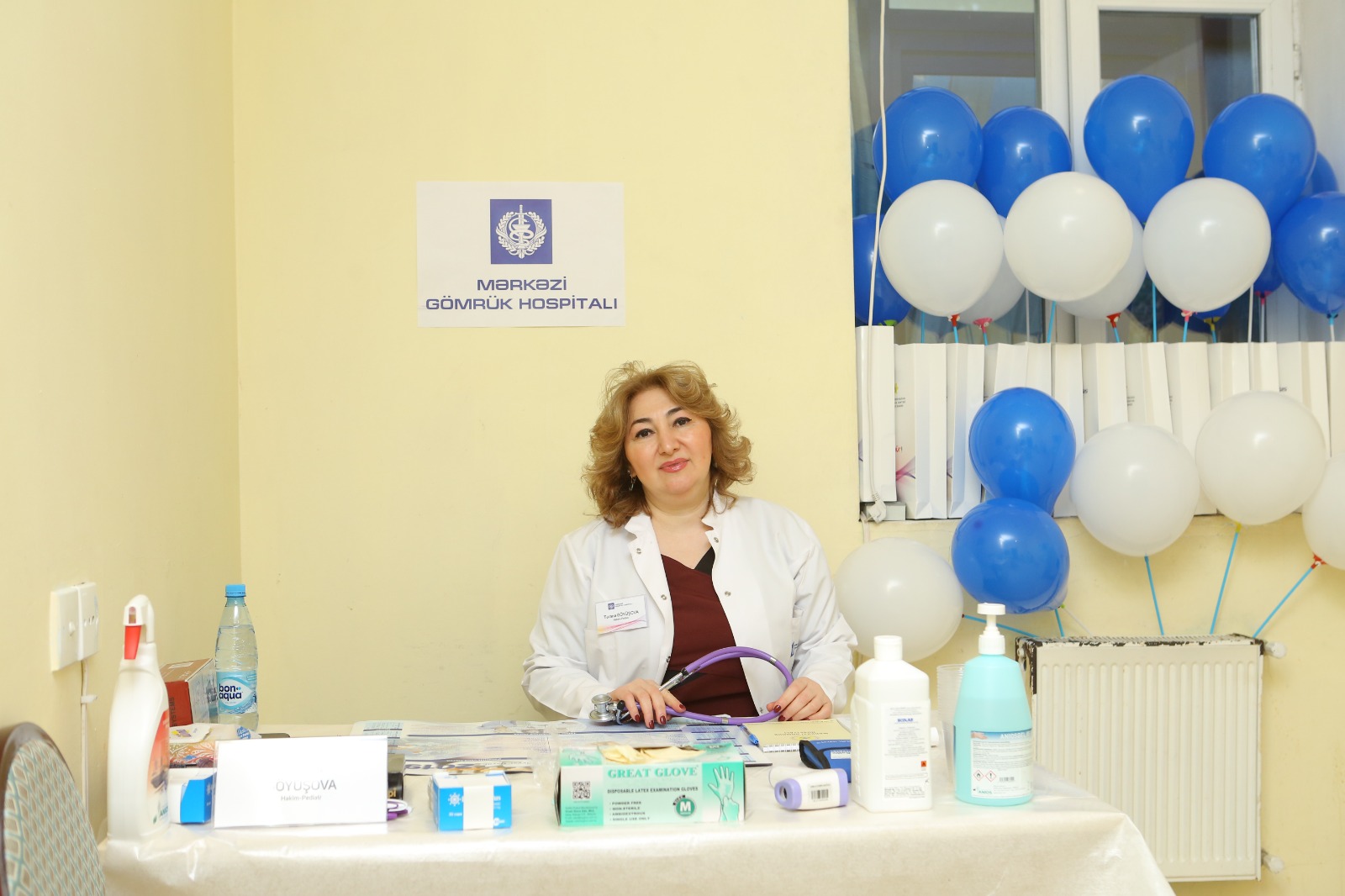
To discuss these and other important topics, we spoke with Dr. Tarana Goyushova, Pediatrician at the Department of Pediatrics of the Central Customs Hospital. In this interview, Dr. Goyushova explains the invaluable role of breast milk in infant health, its importance in building a strong immune system, and offers practical advice for mothers.
– Dr. Tarana, why is breast milk considered so important for babies?
– Breast milk is the ideal and most perfect food created by nature for newborns. It contains all the nutrients essential for a baby's healthy physical and cognitive development, including proteins, fats, carbohydrates, vitamins, minerals, enzymes, hormones, and immune-protective components in optimal proportions.
One of the most remarkable features of breast milk is that its composition is not constant. It changes according to the baby's age, stage of development, and even the time of day. This unique characteristic distinguishes breast milk from every other type of infant nutrition.
Breast milk not only nourishes the baby but also supports the development of the immune system. Since a newborn's immune system is still immature, the antibodies and protective substances found in breast milk help defend the baby against viruses and bacteria. As a result, breastfed infants are less likely to develop respiratory infections, gastrointestinal illnesses, and many other infectious diseases.
Another important advantage of breast milk is that it is easily digested. Because a newborn's digestive system is still developing, breast milk is absorbed efficiently, reducing the risk of colic, constipation, and digestive problems.
In addition, breast milk contains essential fatty acids and other bioactive compounds that are crucial for brain and nervous system development. These nutrients contribute positively to cognitive function, memory, and overall neurological development.
The benefits of breastfeeding extend well beyond infancy. Scientific studies have shown that children who are breastfed have a lower risk of developing obesity, diabetes, allergic diseases, and certain cardiovascular conditions later in life.
Most importantly, breast milk is more than just nutrition—it is an expression of a mother's love and care. Breastfeeding creates a close emotional bond between mother and baby, helping the infant feel secure while supporting healthy psychological and emotional development. For all of these reasons, breast milk remains the most valuable source of nutrition during the first months of life.
– How does breast milk strengthen a baby's immune system?
– At birth, a baby's immune system is not yet fully developed and cannot effectively protect against viruses, bacteria, and other microorganisms. During this period, breast milk serves as the baby's strongest natural defense.
Breast milk contains immunoglobulins (antibodies), white blood cells, enzymes, probiotics, and many other biologically active substances that support the infant's immune system and help protect against infections. Colostrum—the first milk produced during the first days after birth—is especially rich in immune factors and is often referred to as the baby's first natural vaccine.
Breastfed infants are less likely to experience respiratory tract infections, diarrheal diseases, ear infections, certain allergic conditions, and other infectious illnesses.
Breast milk also promotes the healthy development of the infant's intestinal microbiota. A healthy gut microbiome is one of the key foundations of a strong immune system.
The protective effects of breast milk continue beyond infancy. Research indicates that breastfeeding may reduce the risk of allergic diseases, diabetes, and several chronic illnesses later in life.
Another important aspect is that a mother's body produces antibodies against viruses and bacteria encountered in her environment. Some of these antibodies are transferred to the baby through breast milk, providing additional protection against infections common in the baby's surroundings.
In short, breast milk is not only a source of nutrition—it is also the baby's first and most reliable immune defense system.
– Many mothers worry that they do not produce enough milk and that their baby is not getting enough to eat. What would you recommend?
– This is one of the most common concerns among new mothers. However, feeling that breast milk is insufficient does not necessarily mean that it actually is.
Frequent crying, wanting to nurse often, or feeding for extended periods does not automatically indicate an inadequate milk supply. Especially during the first weeks of life, frequent breastfeeding is completely normal and actually helps increase milk production.
Mothers should not judge their milk supply based solely on how full their breasts feel or how much milk they can express. The best indicators that a baby is receiving enough milk include appropriate weight gain, an adequate number of wet diapers, alertness, satisfaction after feeding, and normal growth and development.
Stress, fatigue, lack of sleep, and poor nutrition may also create the impression of low milk supply. Therefore, adequate rest, a balanced diet, sufficient fluid intake, and emotional support from family members are all important for successful breastfeeding.
If the baby is not gaining enough weight, has fewer wet diapers, remains constantly unsettled, or there are genuine concerns about milk supply, mothers should consult a pediatrician or a lactation specialist as early as possible. Timely professional support can resolve most breastfeeding difficulties and help maintain successful breastfeeding.
Above all, mothers should trust themselves. In most cases, proper breastfeeding techniques, patience, and professional guidance are enough to ensure that breast milk fully meets the baby's nutritional needs.
– Should babies be given water during the first six months of life?
– If a baby is healthy and exclusively breastfed, there is no need to provide additional water during the first six months. Breast milk contains enough water to meet both the baby's nutritional and hydration needs. Even in hot weather, more frequent breastfeeding is usually sufficient.
– How does breastfeeding influence the relationship between mother and baby?
– Breastfeeding is much more than feeding—it is a unique opportunity to build a deep emotional connection between mother and child. During breastfeeding, the baby feels the mother's warmth, hears her voice, recognizes her scent, and listens to her heartbeat. This creates a sense of comfort and security while strengthening the emotional bond between them. Such closeness is highly beneficial for the psychological well-being of both mother and baby.
– Finally, what message would you like to share with mothers?
– Dear mothers, remember that breast milk is much more than food for your baby. It is the foundation of your child's health, love, care, and a healthy future. Every drop of breast milk contributes to building a strong immune system, supporting healthy growth, and giving your child the best possible start in life.
Believe in yourselves. If you experience any difficulties with breastfeeding, do not hesitate to seek advice from a pediatrician or a lactation consultant. With accurate information and timely professional support, most breastfeeding challenges can be successfully overcome.
Interview conducted by:
Dilara Zamanova
Public Relations Specialist
Central Customs Hospital
.jpg)
.jpg)
.jpg)
Bütün xəbərlər Facebook səhifəmizdə



.jpg)
.jpg)










.jpg)
 USD
USD
 EUR
EUR
 GBP
GBP
 RUB
RUB