


An agreement was reached in Turkey on the prevention of Ukraine's grain exports, but what's next?
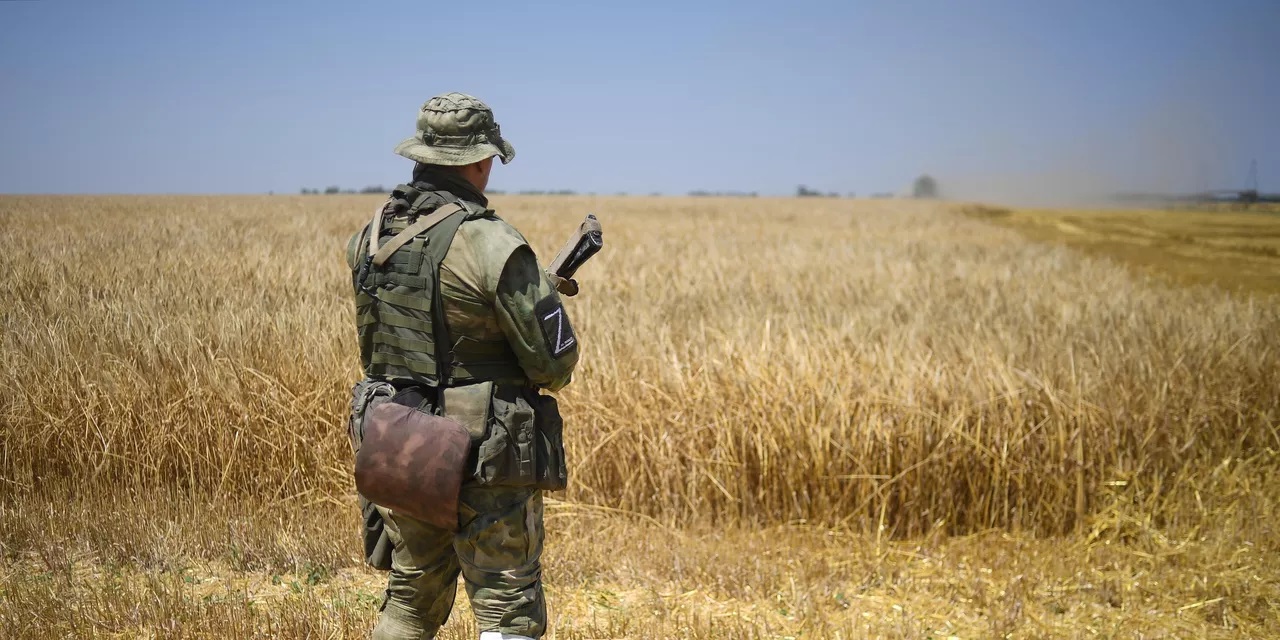
Last week in Istanbul, four parties - Russia, Ukraine, the UN and Turkey signed an agreement on the security of the grain corridor. With this agreement, the export of food products and grains to the world market from three Black Sea ports of Ukraine will be restored. Ukraine has been negotiating the release of the blockade of the ports for 5 months. Instead, Russia is trying to negotiate better terms and sanctions relief. Recently, just when the Istanbul agreement was going to be implemented and grain was going to be sent from Ukraine to the world countries, Russian warships in the Black Sea without any reason hit a number of residential areas of Odessa region and the port in Odessa city with Kalibr cruise missiles.

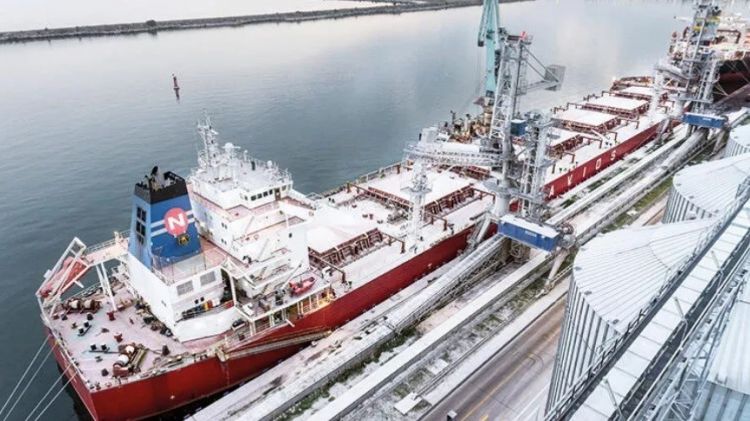
In the signed agreement, three Ukrainian ports - Odessa, Chernomorsk and Yuzhny - was shown to be unblocked for the passage of civilian ships. The Joint Coordination Center created for general control and coordination includes representatives of Ukraine, Russia, the UN and Turkey. The ships will arrive at Ukrainian ports according to the approved schedule after inspection by inspection teams consisting of representatives of all parties. The inspectorate will check the ships for unauthorized cargo and personnel. Warships, aircraft or drones are prohibited from coming closer than a certain distance to this corridor. The agreement will be in effect for 120 days and will be automatically renewed unless either party notifies that it wishes to terminate it.
Turkey has taken full responsibility for the firing of ships by the Russian Federation. British Foreign Minister Liz Truss and US Ambassador to the UN Linda Thomas-Greenfield said that their countries will closely monitor Russia's implementation of the agreement on the withdrawal of Ukrainian ports from the bloc.
Yes, there has been a grain shortage on the world market for exactly 5 months due to the Russia-Ukraine war. Although some countries solve their grain needs at the expense of domestic opportunities, there are countries that are deprived of this opportunity. If the situation continues like this, it is inevitable that there will be a real famine in these countries. In political circles, the solution to this issue is solved by other methods. Europe and the United States are trying their best to exaggerate the food crisis and blame it on Russia. In fact, the real reason for the food shortage in the world is not the Russia-Ukraine war. In addition to the special operation carried out by Moscow, we can also add the policy carried out by the West. By applying these sanctions, Europe damages not only its own economy, but also other countries' as well. Almost five months have passed since Russia started its military special operation in Ukraine, and the world suddenly started talking about the food crisis. In Japan, domestic food producers are talking about sharp price increases and their impact on households. Consumers are alarmed by media reports.
Then what is the reality?
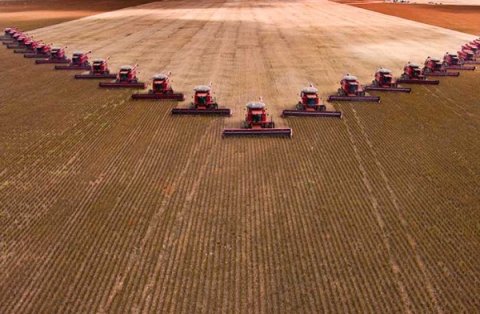
In 2008, there was an uproar about the "food crisis". At that time, the 34th G8 summit was being held at Lake Toya in Hokkaido, and one of the important issues was the rise in global food prices. US grain production has shifted to corn due to increased demand for bio-ethanol (a fuel made primarily from corn). Its prices have also increased. At the same time, the demand for grain in developing countries has increased. The prices of soybeans and wheat have also risen sharply. Back then, the summit was G8, which means that Russia was also present there. They say that the current "food crisis" is caused by the military special operation in Ukraine. But in recent years, Russia has ranked first in the world for wheat exports with 37.27 million tons, while Ukraine is presented only as "the grain storehouse of Europe" and ranks fifth with 18.06 million tons (FAO 2020 data). In terms of export volume, Russia is twice as large as Ukraine, and this year it plans to export a record amount of grain to the world market.
Many more important factors should also be taken into account. Russia exports 37 million tons of wheat and has produced 85.9 million tons last year. On average, Ukraine collects about 25 million tons and exports 18 million tons. Thus, the level of self-sufficiency and food security in Russia is incomparably high. In Russia, wheat is harvested 3.5 times more than in the USA and Canada, and 9 times more than in Australia. It is the third largest producer in the world after China and India.
There is also an increase in the price of oil worldwide. When we look at the change in grain prices in the United States, we see that these changes are influenced by the price of black gold. The higher its price, the higher the cost of ethanol, and therefore the higher the cost of bio-resources (corn and soybeans) for its production. Recall that when the price of WTI (West Texas Intermediate) crude oil reached its peak in July 2008, the price of wheat also reached its peak in February of the same year. However, as the market was in an upward trend, wheat crops around the world increased significantly and the price fell by half by the end of the year.
Grain prices fluctuate due to various factors such as weather, speculation, supply and demand. Moreover, the main trend in wheat prices in recent decades is its continuous decline. This is due to the 2.5-fold increase in world population and 3.5-fold increase in wheat and rice production between 1961 and 2020. If you look at the real price of wheat (excluding speculative price fluctuations), it is still lower than in the 1970s, even though it is considered high.
The threat of a food crisis is serious for developing countries such as the Middle East and African countries, where most of the population's expenditure is on food. However, the situation is very different between developing and developed countries, including Japan. The amount Japanese consumers pay for imported agricultural and seafood products is only 2% of their food spending. As for wheat, it makes up only 0.2% of that figure overall.
Another issue that worries consumers is the word "embargo". In May of this year, it was reported with great alarm all over the world that India, the world's second largest wheat producer (107 million tons in 2020, and China harvested 134 million tons) has imposed an "embargo" on grain exports. But India's grain exports in normal years were only 930,000 tons, while the yield was over a hundred million tons. An absolute part of grain in India is intended only for domestic consumption, so this embargo does not threaten the country with any special consequences. India's reasons for choosing to introduce it are largely domestic political. For Japan, which has a low level of self-sufficiency in food, the imposition of an "embargo" on the export of certain foods, primarily grain from exporting countries such as the United States, seems almost a matter of life and death. However, it should be emphasized here that under normal conditions, such an embargo by the producing countries is almost impossible.
How can we handle the 2022 mega crisis?
At the recent meetings of G7 leaders, NATO members and G20 foreign ministers, it became clear to everyone that the world is facing extraordinary situations, the likes of which we have not seen in decades. International conflicts have increased dramatically amid food and energy challenges, currency devaluation, the looming debt crisis, the ongoing COVID-19 pandemic, the growing effects of climate change, and armed conflicts. The G20, which is chaired by Indonesia this year, used to serve as a forum for solving financial and economic problems, but now it has fallen into an extremely dangerous and delicate position. A mid-November summit of the leaders of this group will be critical, but it is not until November to respond to today's interconnected crises. The G20 countries should start the virtual (online) process to begin the work before the November summit.
According to the World Food Program (WFP), today more than 800 million people suffer from chronic malnutrition, and 323 million are at risk of starvation. Energy prices have skyrocketed and COVID-19 is on the rise in unvaccinated countries. In addition, nearly 60% of low-income countries are in debt, while people around the world suffer from droughts, floods, wildfires and other consequences of climate change. In April, UN Secretary-General Antonio Guterres warned that the crises could push up to 1.7 billion people, more than a fifth of humanity, into decades of poverty, misery and hunger on an unprecedented scale. The situation is very dangerous, but we are not powerless and we can change it. A number of multilateral initiatives have already been launched in response to the debt, energy and food challenges. But these efforts will be effective only if they are coordinated and comprehensive. Our problems are too interconnected to be solved separately.
The immediate priority is ensuring fair prices and supply chains in food and energy markets. This year, WFP needs at least $10 billion to cover its funding shortfall. Today, international organizations and many governments are responding to the food crisis with initiatives such as the Global Alliance for Food Security. The alliance was launched this spring to coordinate humanitarian funding and investment in sustainable food systems. More than 80 countries have endorsed the US-proposed Global Food Security Roadmap: A Call to Action. In addition, important regionally focused summits such as the Mediterranean Ministerial Dialogue on the food security crisis and the Joint Ministerial Conference on Global Food Security were held.
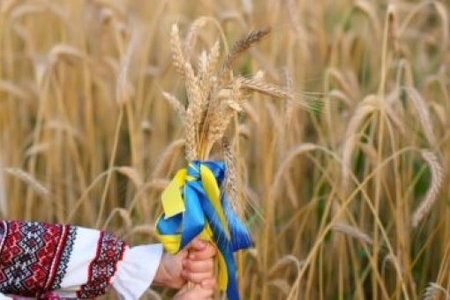
However, while it is well known that open foreign trade is critical to addressing food insecurity, more than 20 countries have imposed food export restrictions (in the form of export licensing, tax changes, and outright bans). Although WTO member countries recently agreed to exempt humanitarian purchases made by the WFP from export restrictions, this is not enough. We need to make full use of our knowledge of how the global food market works, both in the short and long term, and of food supplies and stocks. For this purpose, large countries with grain reserves should send them to the international markets to further curb the price increase. In addition, governments should strengthen the Agricultural Market Information System (AMIS) to increase transparency, improve monitoring (including futures markets) and prevent speculation, so that more countries can become self-sufficient through the diversification of agricultural imports, as well as increase durability of food production.
It is true that, we can't say that the world seems calm or carefree. The world is shaking, every thoughtless step causes stumbling, panic, turmoil. Unstable food market is disturbed by military and political events, leaving people facing hunger. The countries of the world are increasingly struggling to ensure the domestic market, and are spending their energy in this direction. Because it is impossible to achieve any success in foreign policy without solving internal problems. This also applies to food safety issues.
V. VALIYEV

Bütün xəbərlər Facebook səhifəmizdə





















 USD
USD
 EUR
EUR GBP
GBP RUB
RUB