


A new report by the World Health Organization (WHO) : Resistance to antibiotics poses a "major global threat"
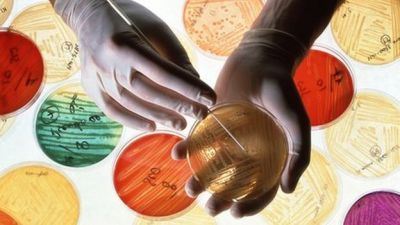
Resistance to antibiotics poses a "major global threat to public health, says a new report by the World Health Organization (WHO).
It analysed data from 114 countries and said resistance was happening now "in every region of the world".
It described a "post-antibiotic era", where people die from simple infections that have been treatable for decades. There were likely to be "devastating" implications unless "significant" action was taken urgently, it added.
The report focused on seven different bacteria responsible for common serious diseases such as pneumonia, diarrhoea and blood infections. It suggested two key antibiotics no longer work in more than half of people being treated in some countries.
Bacteria naturally mutate to eventually become immune to antibiotics, but the misuse of these drugs - such as doctors over-prescribing them and patients failing to finish courses - means it is happening much faster than expected.
The WHO says more new antibiotics need to be developed, while governments and individuals should take steps to slow this process. In its report, it said resistance to antibiotics for E.coli urinary tract infections had increased from "virtually zero" in the 1980s to being ineffective in more than half of cases today.
In some countries, it said, resistance to antibiotics used to treat the bacteria "would not work in more than half of people treated".
More than a million people are infected with gonorrhoea across the world every day, the organisation said.
The report called for better hygiene, access to clean water, infection control in healthcare facilities, and vaccination to reduce the need for antibiotics.
Dr Jennifer Cohn, medical director of Medecins sans Frontiers' Access Campaign, said: "We see horrendous rates of antibiotic resistance wherever we look in our field operations, including children admitted to nutritional centres in Niger, and people in our surgical and trauma units in Syria. Ultimately, WHO's report should be a wake-up call to governments to introduce incentives for industry to develop new, affordable antibiotics that do not rely patents and high prices and are adapted to the needs of developing countries".
She added: "What we urgently need is a solid global plan of action which provides for the rational use of antibiotics so quality-assured antibiotics reach those who need them, but are not overused or priced beyond reach.These approaches will include new antibiotics, but should also include studies to develop new rapid-diagnostic devices, fundamental research to understand how microbes become resistant to drugs, and how human behaviour influences the spread of resistance".

Bütün xəbərlər Facebook səhifəmizdə
.jpg)

.jpg)
.jpg)

.jpg)
























 USD
USD
 EUR
EUR
 GBP
GBP RUB
RUB