


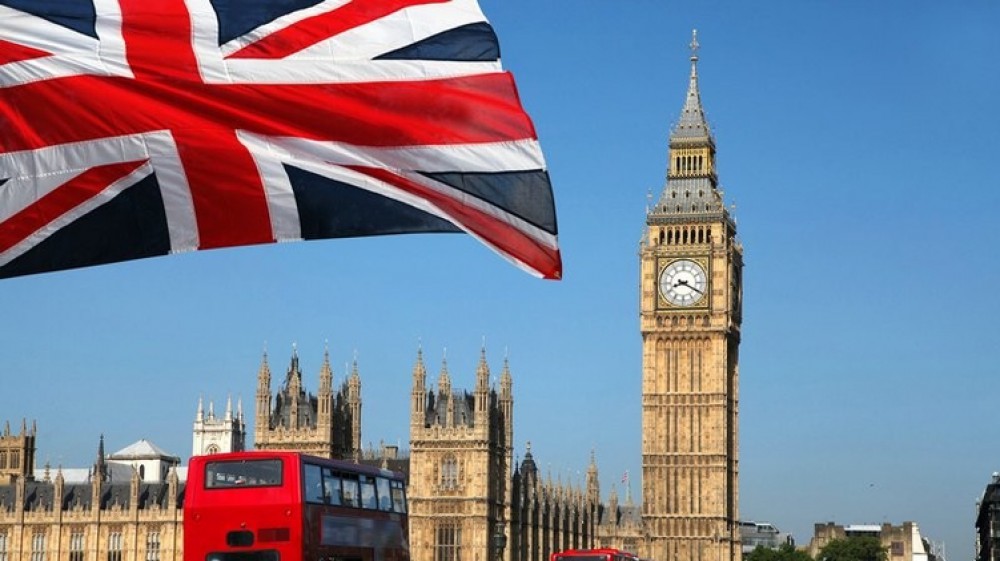
The British government is considering blocking a new law making it easier for people in Scotland to legally change genders, a move that would cause conflict with transgender rights advocates and the nationalist Scottish administration in Edinburgh.
The Financial Times reported that Prime Minister Rishi Sunak's conservative administration intends to veto the Scottish law. The government said a decision has not yet been made, but it has concerns about the law, especially with regard to the safety of women and children.
The law, approved by the Scottish Parliament last month, allows people 16 and older to change the gender designation on their identity documents through self-declaration, eliminating the need for a medical diagnosis of gender dysphoria.
The law distinguishes Scotland from the rest of the United Kingdom, where a medical diagnosis is required before people can make the transition.
Several countries around the world have legalized self-recognition of gender, including Argentina, Canada, New Zealand, Denmark and Iceland. Last month, Spain's parliament approved a bill similar to Scotland's.
The Scottish National Party government in Edinburgh says the new law would improve the lives of transgender people by allowing them to obtain official documents that match their gender identity.
Opponents argue that it could allow male predators access to places reserved for women, such as domestic violence shelters. Others argue that the minimum age for transition should remain at 18.
Scotland is part of the United Kingdom but, like Wales and Northern Ireland, has its own semi-autonomous government with extensive powers in a number of areas, including health care. The British government in London has the last word in some areas, and is consulting legally on whether the Scottish law conflicts with the UK-wide equality legislation, which guarantees women and girls access to separate facilities such as locker rooms and shelters.
The Sunak's government has until Wednesday to decide whether it will veto the law. If it does, the case will likely go to the U.K. Supreme Court.
Such a decision would be the first time the U.K. government has blocked a Scottish law since the Scottish government and parliament were created a quarter century ago.

Bütün xəbərlər Facebook səhifəmizdə







.jpg)

















 USD
USD
 EUR
EUR
 GBP
GBP RUB
RUB