


Sabine Freizer: Nagorno-Karabakh conflict flared this summer into the worst violence since a 1994 truce
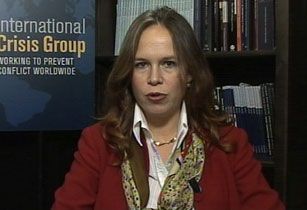
"Nagorno-Karabakh conflict flared this summer into the worst violence since a 1994 truce." SIA reports quoting the official website of the Atlantic Council that Senior fellow of the Atlantic Council’s Program on Transatlantic Relations, international political analyst Sabine Freizer said in her article.
"The often-forgotten conflict between Azerbaijan and ethnic Armenians in Nagorno-Karabakh has flared this summer into the worst violence since a 1994 truce, killing at least eighteen soldiers in recent weeks. The surge in fighting not only shows that renewed, all-out warfare is a danger; it also lets Russia step in as mediator to secure its own role in the Caucasus. The government of President Vladimir Putin, driven by its nationalist, imperialist foreign policy, is unlikely to want truly to resolve the fight, which keeps the region from serving as a secure transit route for oil, gas or other Western interest."
"The spate of shootouts, mortar and sabotage attacks has given autocrats in the region an opportunity to divert public attention from their coercive policies. Putin used the fighting to portray himself as a peacekeeper, calling the presidents of Azerbaijan and Armenia to meet in Sochi on August 9. Azerbaijan’s President Ilham Aliyev used the violence to distract attention from his severe crackdown on non-government organizations, lawyers and media. Authorities detained leading human rights activists, including the longstanding leaders of Armenia-Azerbaijan dialogue efforts, Leyla and Arif Yunus, and charged them with spying, treason, fraud and tax evasion. Other prominent activists have been detained or had their bank accounts frozen."
"Azerbaijan and Nagorno-Karabakh’s Armenian forces reported eighteen soldiers killed from July 30 to August 4. Official counts often understate the actual casualties, including civilians. This is a significant spike compared with the recent average of thirty people killed a year, mainly by episodic sniper fire or landmine explosions."
This fighting comes twenty years after a 2004 ceasefire that was to be a first step in ending the conflict. But the next steps – a pullback of forces, deployment of peacekeepers and return of displaced persons – never occurred. Ethnic Armenian troops continue to hold Nagorno-Karabakh, which declares independence from Azerbaijan, as well as seven adjacent districts of Azerbaijani territory. Azerbaijan has used its oil revenues to boost its military budget to $3.7 billion last year, twenty times the spending level of a decade ago. In Twitter messages on August 7, President Aliyev stressed Azerbaijan’s intent to recover lands it has lost, saying, "the weaponry and ammunition we have acquired in recent years suggest that we can accomplish any task."
Much of the tension is due to the disappearance of any prospect for a negotiated settlement. Peace talks mediated by the Organization for Security and Cooperation in Europe (OSCE) since the early 1990s have made no progress since 2011. Azerbaijan and Armenia blame each other for the failure; Baku also lays some responsibility on Russia, which it says demanded deployment of Russian peacekeepers to secure the deal. Burdened with 600,000 displaced persons and with 14 percent of its territory occupied, Azerbaijan has said since 2012 that the talks are basically frozen.

Bütün xəbərlər Facebook səhifəmizdə





















 USD
USD
 EUR
EUR
 GBP
GBP RUB
RUB