


Although gallstones in children are considered a relatively rare medical condition, in recent years they have been detected more frequently due to the expansion of modern diagnostic capabilities. The discovery of gallstones even in physically healthy children can come as an unexpected situation for parents.
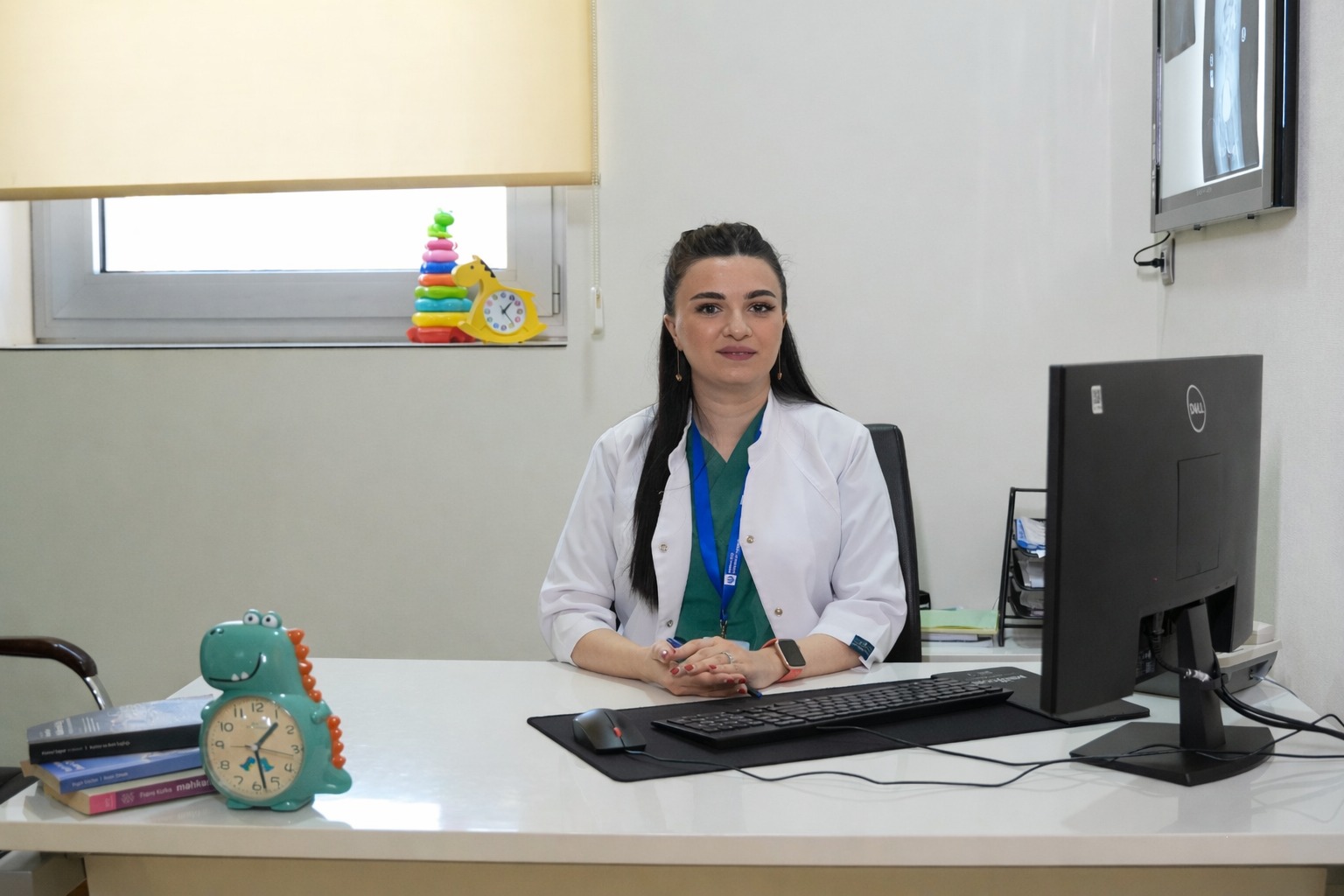
Alshan Pashazade, a pediatric surgeon of the Pediatric Surgery Department at the Central Customs Hospital, provided information about the causes, symptoms and treatment methods of gallstones in children.
The gallbladder is a small organ located in the upper right part of the abdomen. It collects and stores bile produced by the liver. This fluid plays an important role in the digestion of fats. In some cases, crystalline particles form in the bile and gradually turn into stones over time. This condition is known as gallstones or gallstone disease.
Various factors may contribute to the development of gallstones in children. In some cases, the exact cause cannot be clearly identified. However, obesity, unhealthy nutrition, hereditary predisposition, and certain blood disorders are among the factors that increase the risk of this condition.
In some children, gallstones may exist for a long time without causing any symptoms. However, when symptoms appear, children may experience pain in the upper right part of the abdomen, discomfort especially after eating fatty foods, nausea, and vomiting. In some cases, yellowing of the skin and the whites of the eyes — a sign of jaundice — may also occur.
Since children cannot always accurately describe the location of their pain, parents should pay close attention to changes in their behavior. Abdominal pain, loss of appetite, weakness, and general discomfort are among the main signs that should prompt parents to seek medical advice.
The primary method used to diagnose gallstones in children is ultrasound examination. This test clearly shows whether stones are present in the gallbladder and is considered a safe and painless diagnostic method. If necessary, additional laboratory tests and other examination methods may also be recommended.
The treatment method is determined depending on the child’s condition. If the stones do not cause any symptoms, the child may simply remain under medical observation. However, if pain and other complaints occur, surgical treatment may be recommended.
In modern medicine, this operation is most often performed using the laparoscopic method. Since this technique involves small incisions, children usually recover faster after surgery and can return to their daily activities more quickly.
Pediatric surgeon Alshan Pashazade advises parents to seek medical attention without delay if children experience symptoms such as abdominal pain, frequent vomiting, loss of appetite, or jaundice. According to him, timely diagnosis and proper treatment play an important role in protecting children’s health.
Bütün xəbərlər Facebook səhifəmizdə




.jpg)
.jpg)




.png)



 USD
USD
 EUR
EUR
 GBP
GBP
 RUB
RUB