


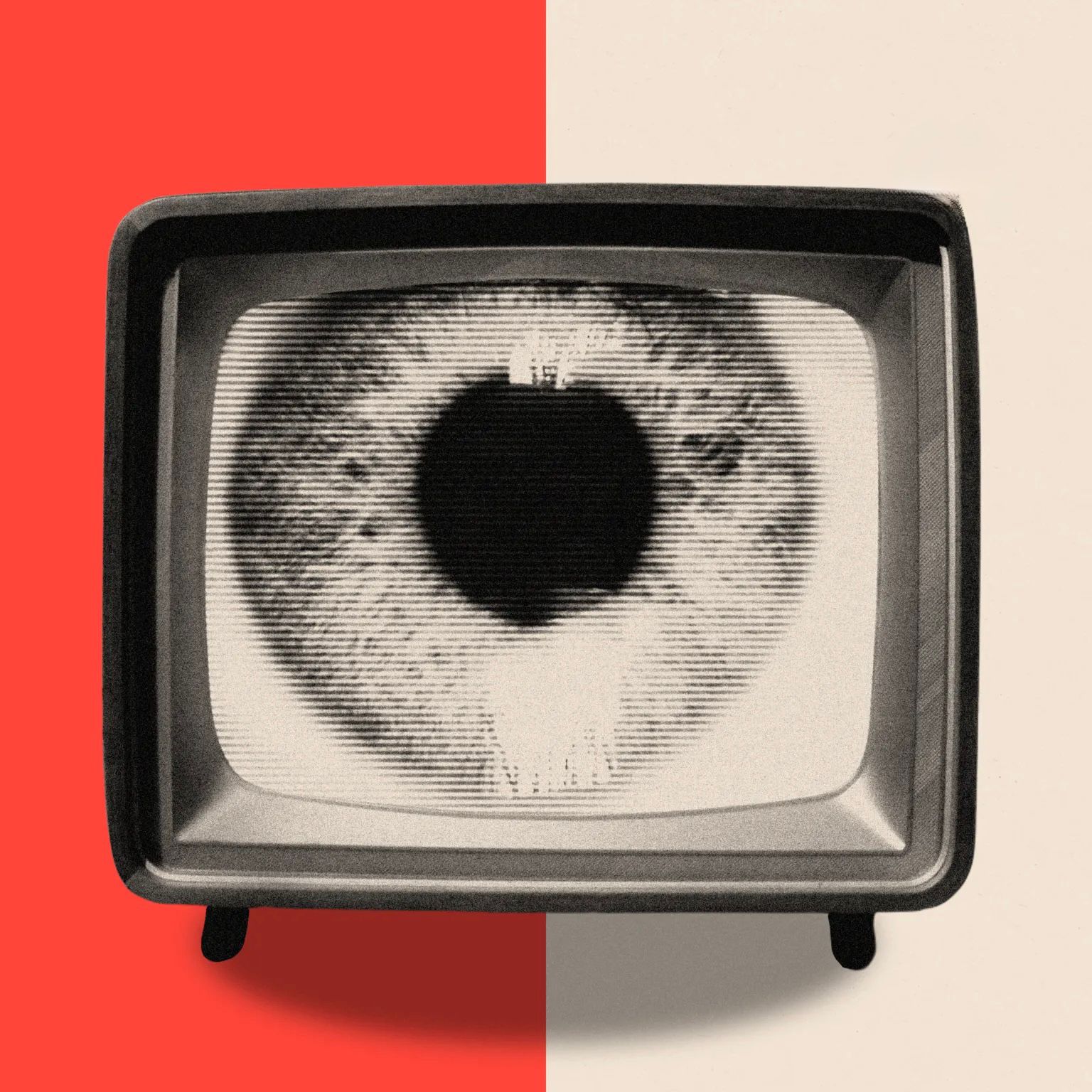
The 21st century has been remembered as an era where information and entertainment rapidly intertwined. Television screens, social media, and internet platforms began to penetrate people’s daily lives more than ever before. In this environment, reality shows that display real people and the dramatic moments of their lives gained a unique place in our culture. Millions of people no longer limit themselves to just watching the news or a film, they begin to compare their daily lives with the experiences they see in these programs, evaluating their own lives as either “more interesting” or “more boring.”
The appeal of reality shows is not measured only by the dramatic nature of human stories. They also serve as a kind of social laboratory. People try to understand the fine line between real and fake, evaluate social behaviors, and discover their own emotional reactions. Every laugh, every moment of anger, every success and failure is transmitted to millions of viewers through the screen, influencing their way of thinking, their capacity for empathy, and their social expectations. However, the impact of reality shows is not always positive. Editing, montage, and scripted encounters can manipulate viewers’ worldviews, create unrealistic expectations, and even lead to psychological distress. Such programs both entertain and compel people to think and question their own lives.
In this article, we will explore how reality shows affect our lives and ways of thinking, their social and psychological consequences, and both their positive and negative sides. At the same time, we will discuss ways to watch these programs more consciously in the future and correctly evaluate the effects they create.
What are reality shows and why are they so popular?
Reality shows began to take center stage in television programming from the late 20th century onward. Unlike traditional series or documentaries, they bring to the screen the daily lives of real people, the challenges they face, their social relationships, and emotional reactions. Programs such as Big Brother, Survivor, and Keeping Up with the Kardashians made this genre globally recognized. The appeal of these programs is not limited to simply displaying people’s lives, they directly affect viewers’ emotions. People compare themselves to the characters on screen, love them, and sometimes hate them. This interaction drives viewers to form a stronger emotional connection with the program. Psychologically, the main foundation of this phenomenon is “empathetic participation”: people put themselves in someone else’s shoes, experiencing their success, disappointment, and drama as if it were their own life.
Another reason for the popularity of reality shows is the phenomenon of social viewing. People not only watch what is happening on the screen, they also observe how others perceive these programs. Reactions, comments, and memes shared on social media allow viewers to analyze and discuss the programs more deeply. This, in turn, increases their popularity and broadens their influence in daily conversations and relationships. At the same time, reality shows fulfill people’s “need for drama.” The monotony of modern life, social pressure, and competition push people toward the search for drama (real or scripted) on screen. These programs sometimes falsify the subtleties of real life, offering viewers not only entertainment but also an emotional “escape.”
As a result, reality shows are not just television entertainment. They are also a kind of social laboratory and emotional experience arena. The viewer both watches and learns, while also shaping their own worldview. The impact of this phenomenon on modern societies is both fascinating and complex: people are forced to distinguish between real and fake, objective and subjective.
How are our thoughts manipulated?
Reality shows may appear to be programs that merely reflect people’s daily lives, but in reality, most of them are carefully planned, edited, and dramatized. Every scene, every dialogue, and every emotional moment presented to the viewer is not entirely accidental. Most of them are designed to direct the viewer’s reaction. Through editing and montage, reality shows focus the audience’s attention on certain characters and highlight particular behaviors. For example, a small mistake or a moment of anger by a participant can be presented as a dramatic scene that lasts for hours. This can generate both sympathy and hatred toward that person. Psychologically, this creates the “smoke and mirrors” effect: the viewer believes what they see, but never fully knows the actual truth.
This manipulation is not limited to emotions. Reality shows also influence people’s understanding of social norms and behaviors. For instance, the punishment or reward of certain actions leads viewers to classify them as “normal” or “unacceptable.” People begin to compare their own behaviors in daily life with the examples they see on screen. Furthermore, reality shows play a role in reinforcing stereotypes. Characters being placed into particular roles (beautiful, successful, angry, weak) strengthens viewers’ preconceived ideas about such people. This serves not only entertainment but also subliminally helps form social behavior and thought models.
In the end, reality shows are not merely entertainment for the viewer, they are also a kind of psychological and social manipulation laboratory. People try to analyze the mix of real and fake they see on screen, but often they absorb the effects unconsciously. This phenomenon demonstrates just how powerful reality shows are in shaping our way of thinking.
Reality shows and social relationships
Reality shows significantly impact not only our individual thoughts but also our social relationships. The behaviors, encounters, and conflicts we watch on screen can change people’s normative and emotional reactions in daily interactions.
Firstly, reality shows reshape the concepts of friendship and competition. In these programs, participants sometimes openly compete against one another, while at other times they form strategic friendships. As viewers observe these dynamics, they begin to compare them with their own real-life friendships. For example, seeing a friendship based on loyalty and trust may motivate the viewer while also drawing their attention to unhealthy competitive dynamics. Similarly, love and romantic relationships are also influenced by reality shows. As people watch examples of ideal love, jealousy, betrayal, and commitment on screen, they compare their own relationships with these models. This can sometimes lead to unrealistic expectations, people may want their partners to be “more dramatic,” “more romantic,” or “more exciting.”
The phenomenon of social comparison also comes to the forefront here. People not only watch the participants in the reality show but also read others’ opinions about these programs on social media and join the discussions. This creates the concept of a “social viewer,” where people evaluate social norms and behaviors not only based on their own experiences but also on the reactions of others. In addition, reality shows reinforce society’s stereotypes and social roles. Characters being associated with certain traits (beautiful, weak, successful, angry) strengthens viewers’ perceptions of such individuals and can even affect real-life behaviors. Norms in social interactions, empathy, and mutual understanding sometimes get mixed with the dramatic expectations created by these programs.
Overall, reality shows shape not only people’s individual thoughts but also their social relationships. They play both an instructive and manipulative role in friendship, love, competition, and social comparisons. This shows that evaluating these programs merely as entertainment is not enough: reality shows are also a social behavior laboratory.
Psychological effects: positive and negative
The deepest impact of reality shows is on viewers’ psychology. This influence extends not only to people’s moods but also to their self-esteem, empathy, and social behaviors. Let’s first consider the positive effects. Reality shows allow viewers to observe different life experiences through the screen. People put themselves in others’ shoes, developing empathy skills and beginning to understand different social and cultural contexts. For instance, watching the struggles and achievements of a socially different participant can create both motivation and understanding among viewers. Additionally, some programs stimulate people’s self-expression, leadership, and decision-making abilities, teaching them problem-solving and strategic thinking.
However, the negative psychological effects of reality shows are not few. The dramatic behaviors, competition, and conflicts we see on screen sometimes generate stress, anxiety, and unrealistic expectations among viewers. People may compare their own lives to the events in these programs and conclude that they are not successful or interesting enough. This can lead to lower self-esteem, jealousy, and emotional tension caused by social comparisons.
Psychologists also point out that reality shows may reinforce obsessive viewing behaviors. Viewers may spend hours glued to the screen, following the participants’ lives, and gradually distancing themselves from real life—resulting in social isolation and emotional fatigue. For younger audiences in particular, this can create difficulties in self-identification and in perceiving social norms. Furthermore, reality shows can influence the formation of stereotypes and biased thinking. Placing characters into specific roles (successful, weak, angry, manipulative) leads viewers to evaluate similar people in real life in the same way. This can weaken the sense of social empathy and fairness.
In conclusion, the psychological effects of reality shows can be both instructive and motivational, as well as manipulative and negative. For viewers, the key issue is to be aware of these effects and maintain emotional balance. Reality shows are not just entertainment, they are also a social experiment that puts human psychology to the test.
Future perspective: how should we perceive reality TV?
Understanding the impact of reality shows on our lives and assessing both their psychological and social consequences is the key to becoming a more conscious viewer in the future. These programs are not just entertainment. They are powerful tools that shape our thinking, social relationships, and emotional reactions.
First, as viewers, we must protect ourselves. Reality shows are often edited, dramatized, and filled with scenes designed to highlight certain messages. In this case, what matters most is to analyze critically what we see on screen. Instead of believing every scene, it is important to identify its purpose, the script, and the manipulative elements.
Second, we must consciously manage our reactions to these programs on social media and in our surroundings. While social comparisons and observing others’ reactions are natural, it is necessary to set personal boundaries to avoid harming our own emotional state. In other words, the dramatic events on screen should not control our real-life relationships and behaviors.
Third, it is possible to perceive reality shows as tools for learning and education. Observing people’s different behaviors, conflict-resolution skills, and social dynamics can contribute to the development of empathy and social abilities. The essential point here is conscious observation not getting lost in the drama but analyzing the social and psychological examples it presents.
Fourth, families and educational institutions should teach young people proper media criticism when watching these programs. Reality shows are both entertaining and manipulative, and young people’s ability to grasp this distinction is vital for their psychological and social development.
In the end, reality shows will remain an inseparable part of our culture. It is impossible to completely reject them, but it is possible to watch them consciously, protect our emotional balance, and keep our social relationships free from manipulation. Reality shows serve as both entertainment and a social laboratory. What is essential is not to lose ourselves in this laboratory but to remain observers and thinkers.
Nigar Shahverdiyeva
Bütün xəbərlər Facebook səhifəmizdə

























 USD
USD
 EUR
EUR
 GBP
GBP RUB
RUB