


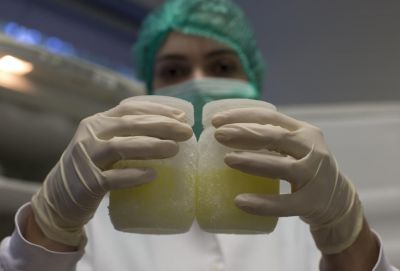
Thirty years ago, poor Brazilian women were paid to give away their breast milk, leaving their children at risk of malnourishment. Equipment at the few milk collection centers that existed was so costly it limited the country's ability to expand the program's reach.
"Brazil is really the world leader in milk bank development," said Dr. Lisa Hammer, a University of Michigan pediatrician who was part of a team visiting the Rio de Janeiro-based network last week.
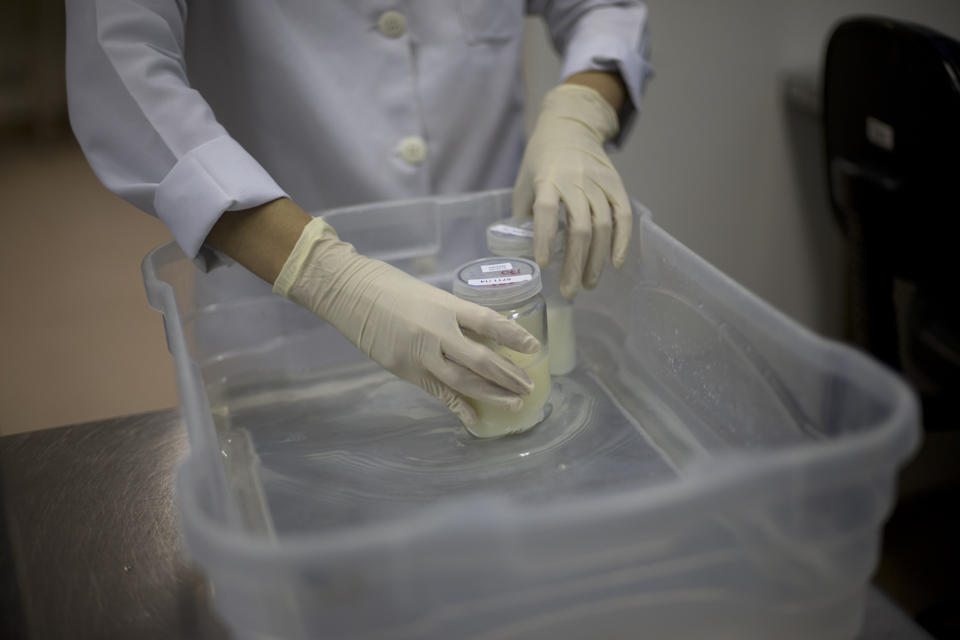
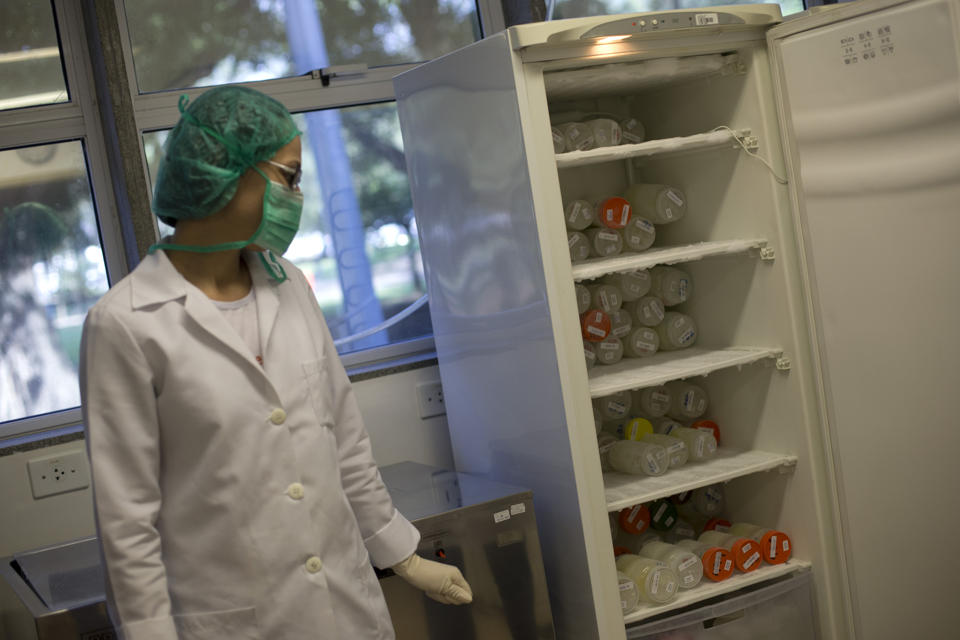
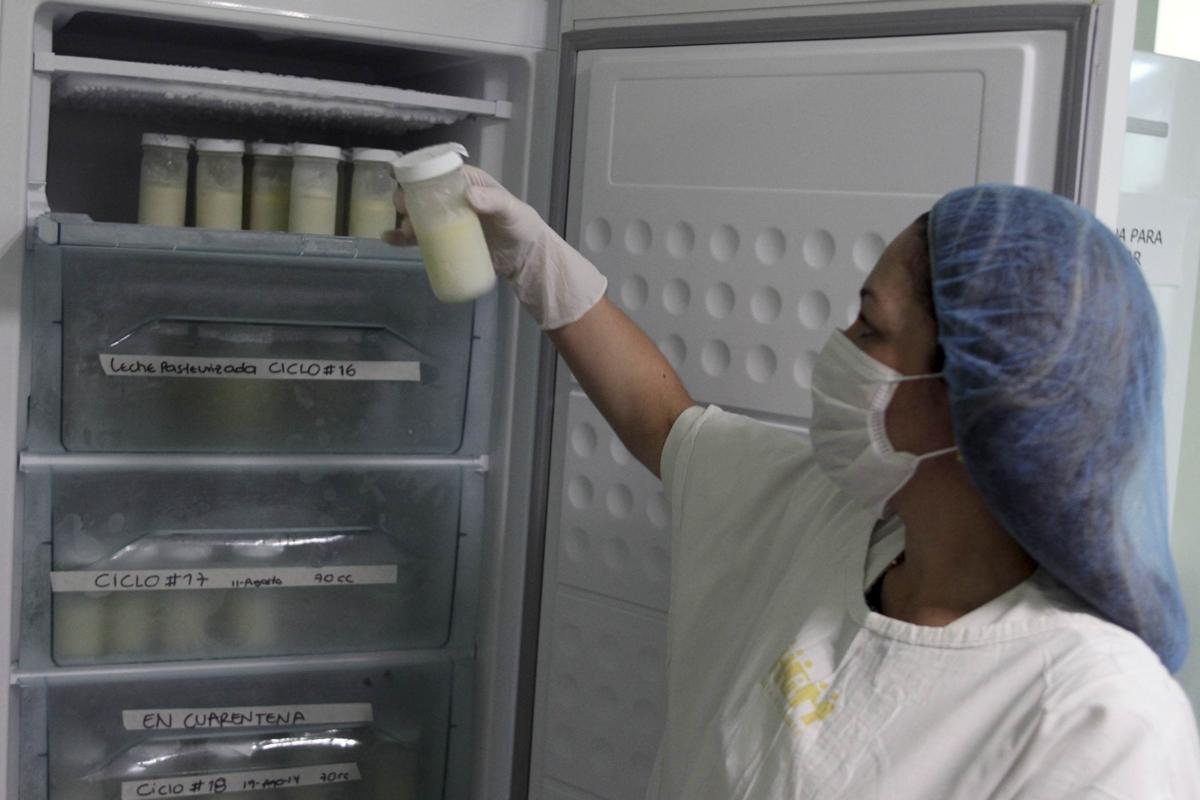
Relatively rare in much of the world, donating breast milk is common in Brazil, where the network of banks works in much the same way as blood banks — testing, sorting and storing milk used mostly to feed premature infants in neo-natal units.
When a mother is unable to breast feed her baby, due to illness, drug addiction or other problems, the network steps in to offer free milk. Last year, it collected milk from some 150,000 women to nourish about 155,000 babies.
Reaching such success was not easy. Almeida recalled the trouble he saw on his first visit to a Rio milk bank in 1985, at the tail end of the country's two-decade-long military dictatorship.
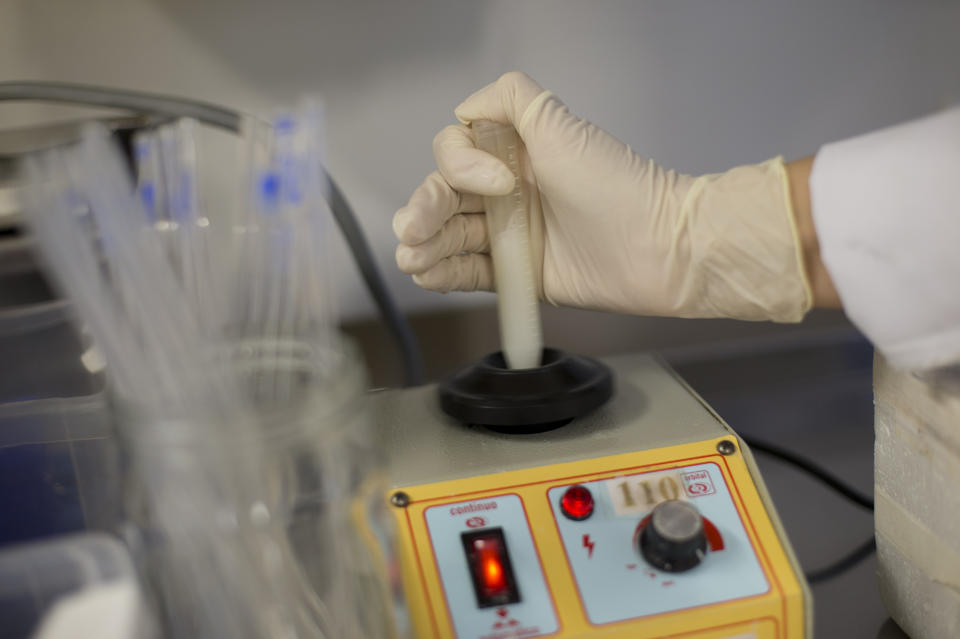
Almeida lobbied for a ban on the sale of breast milk and sought alternatives to expensive imported equipment. High-end pasteurizing machines that cost $25,000 were swapped for $1,500 Brazilian-made machines used in food-testing laboratories. Jars made for mayonnaise or instant coffee were sterilized to store milk for freezing, replacing imported beaker tubes that had accounted for a whopping 89 percent of operating costs at Brazilian milk banks.
"We found ways of adapting the system to the reality of a developing country without compromising the quality and safety of the milk," said Almeida, 57. "We also shifted the focus from the child to the mother, making her into the protagonist."
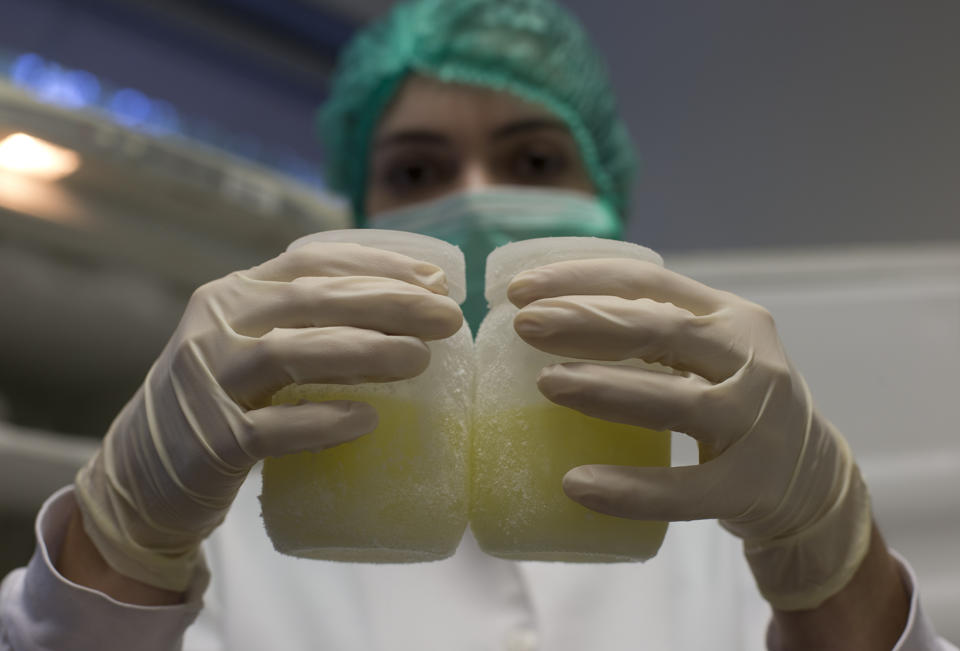
Brazilian women increasingly are choosing to nurse, with the Health Ministry estimating more than half of mothers now breast feed exclusively for their children's first six months of life. In the United States, that rate is 16.4 percent, according to the Centers for Disease Control, even though breast feeding is widely seen as the best source of nutrition for infants.

Bütün xəbərlər Facebook səhifəmizdə

.jpg)
.jpg)
.jpg)























 USD
USD
 EUR
EUR
 GBP
GBP
 RUB
RUB
