


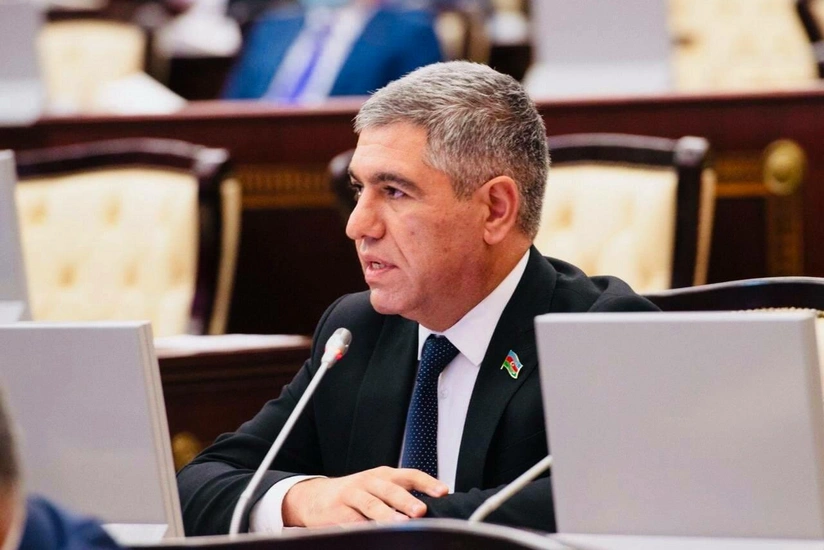
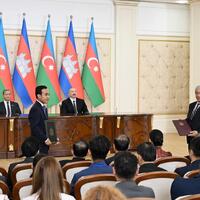
The volatility in the oil market shows that Azerbaijan may earn more revenue from energy sales this year, MP Vugar Bayramov stated Monday, SİA informs.
According to him, this will lead to a greater increase in Azerbaijan's state revenues as well as foreign currency reserves: "The price of one barrel of oil is projected at $65 in the 2026 state budget [of Azerbaijan]. Obviously, we are talking about the annual average price. Even if there are sharp increases in short-term revenues, Azerbaijan, which is interested in cooperation and stability in the region and contributes to the peace agenda, is interested not in fluctuations in the oil market but in long-term balance. Long-term balance in global strategic markets should be determined by economic factors, not political ones. But for now, political factors in world markets are outweighing economic criteria."
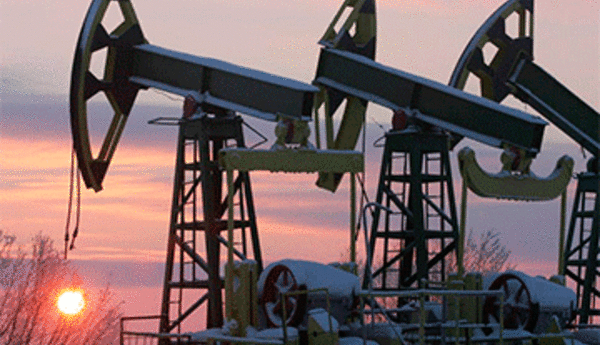
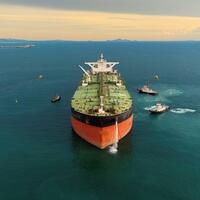
He noted that while increases in oil prices boost the revenues of energy-exporting states, they also intensify challenges in the global economy: "This naturally also leads to an increase in Azerbaijan's revenues from oil sales. In 2025, 27.7 million tons of oil were produced in Azerbaijan, including gas condensate. That year, crude oil production averaged 460,000 barrels per day, and condensate production was 111,000 barrels. In total, oil production averaged 571,000 barrels per day. Last year, Azerbaijan exported 23.1 million tons of oil."
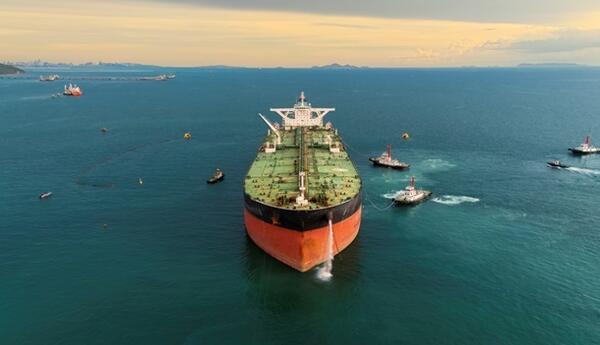
The MP emphasized that the price of Brent crude oil has increased by nearly 20%, with one barrel being sold for more than $110: "This means there has been a 30 percent increase in oil prices since the Iran war began. The increases in oil prices have not passed without affecting stock exchanges either. The risk of a global recession has caused stock exchanges in Asia to start this week with significant declines."
Bayramov said the US president declared that the increases in oil prices would be temporary: "He believes that after the war ends, prices will decrease again and stabilize. Nevertheless, most investors do not expect sharp declines in oil prices in the short term. This is because oil prices are affected not only by the difficulties in the Strait of Hormuz, through which 20 percent of energy products are transported, but also by the situation in the Middle East and especially by the decline in production. Noticeable reductions in production in the Gulf states are being recorded. Production in Iraq has decreased by 60%, and Saudi Arabia, the United Arab Emirates, and Kuwait have also been forced to reduce production. On the other hand, damage to energy infrastructure in the Gulf states does not allow for the restoration of production in a short time. The US intention to bring an additional 300–400 million barrels of oil per day to the market is also not expected to significantly change the balance. It is clear that the duration and geography of the war remains the main factor affecting the stock exchanges. Nevertheless, the time and finances required to restore the infrastructure destroyed during the war after the conflict ends should not be overlooked either."

Bütün xəbərlər Facebook səhifəmizdə


.png)



.png)











 USD
USD
 EUR
EUR
 GBP
GBP RUB
RUB