


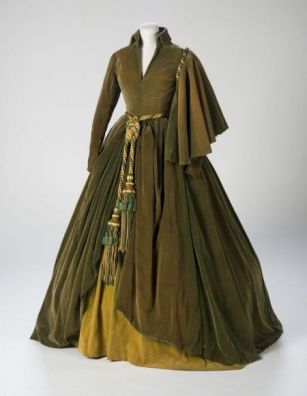
Before "Gone with the Wind" hit the screen, it was a questionable investment that became a touchstone for race relations and was embroiled in moral questions ahead of Rhett Butler saying he did not give a damn.
The film went on to became the biggest box officer earner in U.S. movie history, according to figures adjusted for inflation by Box Office Mojo.
The backstory of the movie will be put on display to commemorate its 75th anniversary when the Harry Ransom Center at the University of Texas opens an exhibit on Sept. 9 called "The Making of Gone with the Wind" based on the massive collection of material it houses from the movie's producer David O. Selznick.
The 300 items picked to go on display follow the three-year journey in making the movie, relying on Selznick's document collection, movie stills, storyboards and thousands of letters from those who felt they had a personal stake in the movie that redefined U.S. cinema.
Selznick was on a cruise when his company purchased the screen rights to Margaret Mitchell's novel and was worried if he could turn a movie on the Civil War into a hit about 75 years after the fighting ended. The book quickly exceeded sales expectations and became a runaway best seller, increasing expectations for the movie.
"As time went on, Selznick starts to get this growing sense of responsibility," said Steve Wilson, curator of film at the Harry Ransom Center.
Within months of purchasing movie rights, Selznick's office was inundated with letters from people making suggestions for casting, seeking to audition for the role of Scarlett as well as protests from those telling him not to make the movie because of the racist overtones in Mitchell's novel.

Bütün xəbərlər Facebook səhifəmizdə



























 USD
USD
 EUR
EUR
 GBP
GBP
 RUB
RUB