


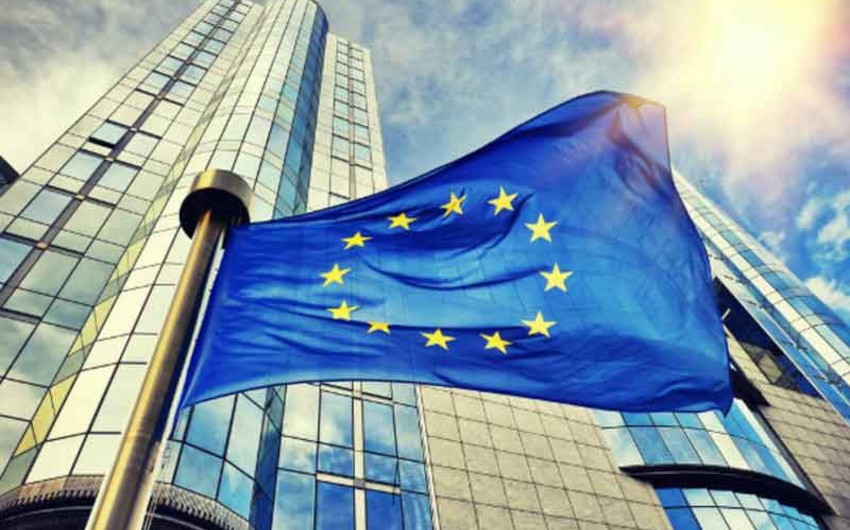
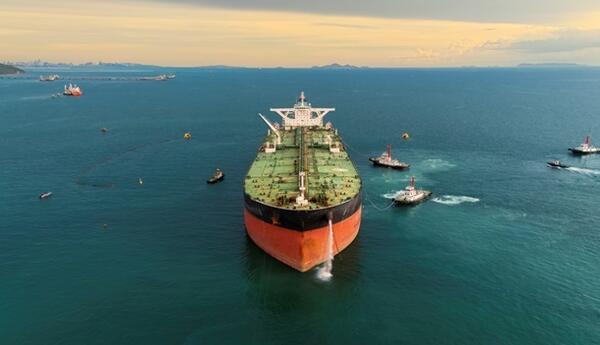
The package includes joint gas purchasing, the creation of a transaction-based benchmark for the price of liquefied natural gas (LNG), and default solidarity rules between member states in case of energy supply shortages. "The package has a number of important elements that we will jointly work on, to be ready for adoption at the next extraordinary Council," Kadri Simson, European commissioner for energy, said.
The joint purchasing of gas tops the agenda for the member states' energy ministers, according to Sikela and Simson. The goal is to reduce uncoordinated bidding for gas supplies, make access to gas fairer and potentially reduce prices.
The process should start immediately after the end of this heating season, EU officials said. There has been a "broad consensus" about the proposed creation of a new LNG pricing benchmark, which is expected to increase transparency and price predictability, according to Simson.
However, "different views" were expressed on the proposed gas price cap and the price correction mechanism of the TTF (Title Transfer Facility, the main European gas exchange in the Netherlands). The ministers also supported the proposed default energy solidarity between member states, Sikela said. Certain EU member states voiced their concerns regarding the industry sector, underlining that EU industry should remain competitive and that a level playing field on the internal market should be ensured.
The ministers also addressed the energy efficiency of buildings in the EU as part of the Fit for 55 package, which is the bloc's plan for its green transition. The participants reached an agreement on a proposal to revise the Energy Performance of Buildings Directive that was submitted last December by the European Commission.
The building sector accounts for 40 percent of the EU's energy consumption, Sikela said. "This is about to change." The revised directive "will help us reduce our energy bills and our dependence on Russia," he said. Tuesday's Energy Council was the first regular meeting of the ministers since August, after three extraordinary meetings. The next Council session, on Nov. 24, will also be an extraordinary one.







 USD
USD
 EUR
EUR
 GBP
GBP RUB
RUB