


At first glance, it looks like a diplomatic love-fest. There was Chinese President Xi Jinping, toasting the birthday of Indian Prime Minister Narendra Modi in a quiet dinner earlier this week in Modi's home state. There were the two leaders, deep in conversation as they walked along the Sabarmati River, Xi dressed in a Nehru jacket.
The men are full of praise for one another, and one another's countries. Xi gushes over India as "an enchanting and beautiful land." Modi declares that their pledges to work together "will open big gates for progress and development in the world." Just a few hours into the Xi's three-day visit, Indian newspapers were awash with accomplishments: a joint industrial park, a sister-city pact, ramped up cultural ties, business deals and investment promises from China worth well more than $20 billion.
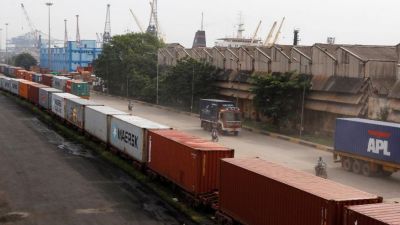
Left largely unspoken, though, are the deep worries in India over Chinese maneuvering in the Indian Ocean, where New Delhi's years of dominance is being chipped away by billions of dollars in aid from Beijing and gargantuan Chinese construction projects.
And while China's recent push for dominance in the South China and East China seas get more attention, the quiet contest for influence in the Indian Ocean is being watched carefully from Tokyo to Washington, D.C. More than anything else, the worries are over energy.
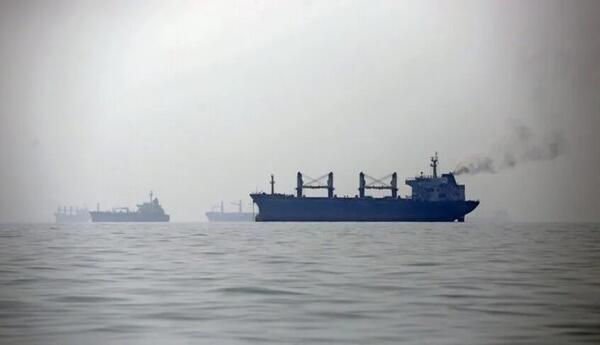
The tankers that move through Indian Ocean carry 80 percent of China's oil, 65 percent of India's and 60 percent of Japan's, making those waters crucially important to three of Asia's great powers. A significant slowdown in tanker traffic — whether from diplomatic standoff, piracy or war — could cripple those countries and send shockwaves around the world.

Bütün xəbərlər Facebook səhifəmizdə


























 USD
USD
 EUR
EUR
 GBP
GBP
 RUB
RUB