


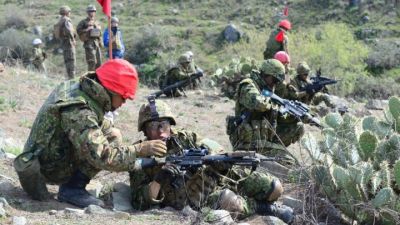
Japan’s constitution was drafted by American occupation forces after World War II to end the country’s militaristic culture and prevent a repeat of Japan's invasion and brutal occupation of wide swaths of Asia during the conflict.
Tuesday’s move will allow the country’s armed forces to defend other nations under what is known as "collective self-defence".
Previous governments have said that Japan's war-renouncing constitution limits Japan’s ability to defend itself.
"The government has studied whether there is a defect in the current legal framework in protecting people's lives and property and Japan's safety... and we'll write the necessary legislation," top government spokesman Yoshihide Suga told a regular press conference on Tuesday.
"Naturally we'll have parliamentary debate in the legislative process, through which we will make detailed explanation to people," he added.
Prime Minister Shinzo Abe has been keen to push ahead with the reinterpretation despite widespread public opposition, which boiled over at the weekend when a middle-aged man attempted suicide by setting himself on fire in Tokyo. Abe had originally planned to change Article 9 of the US-imposed constitution adopted after World War II, which renounces "the threat or use of force as means of settling international disputes".
But unable to muster the supermajority he needed in both houses and unlikely to get an endorsement from the public in the required referendum, he changed tack, using what opponents say is sleight of hand to change what the clause means.
Under the new interpretation, Japanese troops will be able to come to the aid of allies – primarily the US - if they come under attack from a common enemy, even if Japan is not the object of the attack.

Bütün xəbərlər Facebook səhifəmizdə





























 USD
USD
 EUR
EUR
 GBP
GBP
 RUB
RUB