


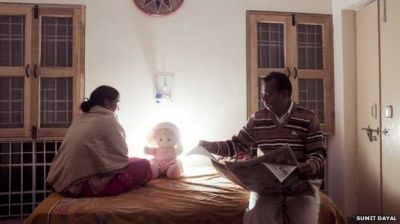
A 23-year-old Indian student was fatally gang-raped inside a bus in the capital, Delhi last December. The attack caused international outrage and prompted India to introduce stringent anti-rape laws. A court sentenced her attackers to death this September. The BBC's Soutik Biswas met the family of the victim to find out how life had changed for them after her death, SIA reports quoting BBC News.
Her father had returned home tetchy and tired after a gruelling 16-hour working day at Delhi's international airport on the night of 16 December 2012.
He received a call from a breathless policeman an hour before midnight that his daughter had met with an accident and had been taken to hospital. An hour later, doctors told him she had been gang raped on a moving bus by a group of men. Two weeks later, she died in a hospital in Singapore.
Wake up India, she's dead, screamed a newspaper headline, as India exploded in anger and outrage.
Life had changed in an instant for the woman's family.
'Poverty was better'
A year on from the attack, the family has moved into a two-room apartment gifted by the government in a thriving suburb of Delhi. It's dank and the stairwell lights often don't work at night, but it's still a vast improvement over their crumbling brick home in a tumble-down neighbourhood where monsoon rains flooded the rooms.
The private company that runs the city's international airport has provided the 54-year-old father with a new job making entry passes with regular hours and a wage of 20,000 rupees ($326; £200) a month.
It's a far cry from his backbreaking job handling baggage at the airport: he would work double shifts for a paltry 6,620 rupees ($107; £66) a month.

The family's two sons, aged 21 and 17 - their sister was the eldest at 23 when she died - now go to an upmarket engineering college and a prominent city school, their fees paid by the government. The elder son is studying to become a computer scientist; the younger one is planning to become a doctor.
Then there's the unrelenting public gaze: the parents have been on primetime TV news and have attended award ceremonies to remember their dead daughter, and everybody in the neighbourhood knows that the "victim's family" lives here.

Bütün xəbərlər Facebook səhifəmizdə
































 USD
USD
 EUR
EUR
 GBP
GBP
 RUB
RUB