


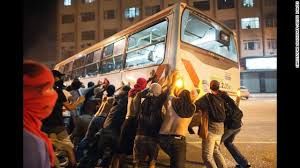
Mass protests in Brazil continuing despite a number of moves by government seen as victories for protesters, including tougher sentences for corruption and defeat of a controversial constitution amendment.
As protesters continue to take to the streets across Brazil, voicing an array of grievances, from corruption and the cost of the country’s hosting of the World Cup to the quality of public services, particularly transport, health and education, Brazilian President Dilma Rousseff and other political leaders in the country have sought to placate protesters with concrete political gestures and further promises of major political reform.
But many protesters have been galvanised by the concessions already made in their favour to date and therefore Brazil’s biggest wave of protests in twenty years sparked by a twenty-centavo hike in bus fares at the beginning of June, show no sign of coming to an end soon.
Many cities have already backtracked on increases imposed to public transport fares under pressure from continuing mass protests, some of which have seen over a million people at protests in hundreds of cities throughout Brazil.
But the bus fare U-turn did not quell the protests, and President Rousseff was forced to make the most important national address of her presidency, reassuring the country she was on their side, listening keenly to their demands, and that she supported the right to peaceful protest, labelling the protests proof of the strength of Brazil’s democracy.
Nearly a week has passed since that address, and in that time the president has come forward with a "five-pact solution" to the crisis and her government has made a number of significant further pledges to improve both the political status quo in the country, and increase sorely-needed funding for public service, including by diverting oil royalties to public education and health.
Crucially, the Brazilian populace would have its say on a number of issues and the president called meetings with a number of representatives of the various protest factions. A referendum would be held on reforming the country’s "outdated" political system, which the president said needed a fresh approach.
São Paulo residents were also promised they would be consulted on which companies would run the buses in the city, the country’s largest, as the local government scrapped the current bidding process for a new, billion-dollar, 15-year tender.

Bütün xəbərlər Facebook səhifəmizdə
























 USD
USD
 EUR
EUR
 GBP
GBP
 RUB
RUB