


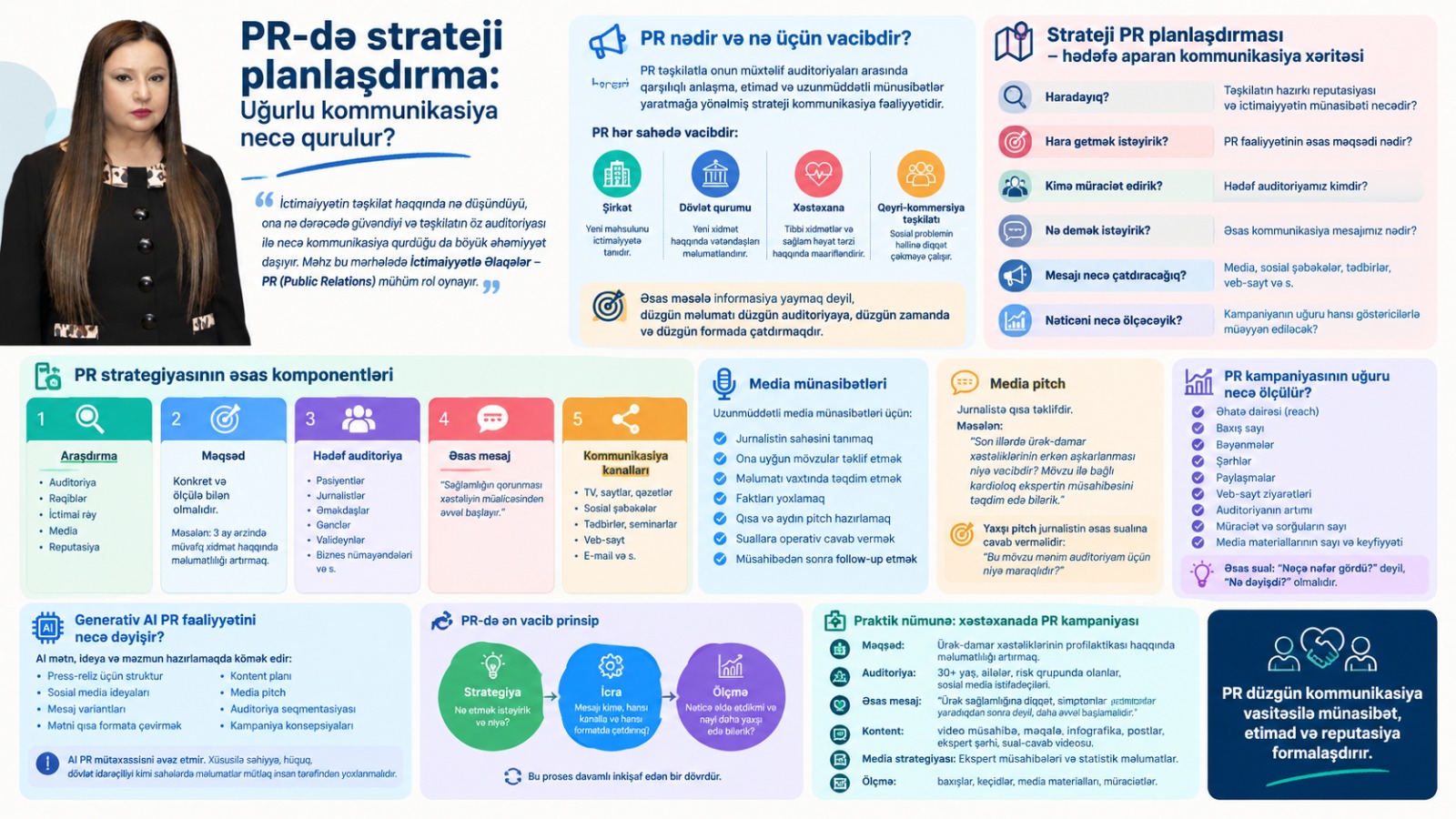
What the public thinks about an organization, how much they trust it, and how the organization communicates with its audience are all extremely important. This is where Public Relations — PR plays a crucial role.
Professional PR activities consist of interconnected stages: research, setting objectives, identifying the target audience, developing appropriate messages, determining communication channels, implementation, and evaluating results.
What is PR and Why Is It Important?
PR is a strategic communication activity aimed at creating mutual understanding, trust, and long-term relationships between an organization and its various audience groups.
PR is important for commercial companies, government institutions, and non-profit organizations alike. For example:
• a company wants to introduce a new product to the public;
• a government institution informs citizens about a new service;
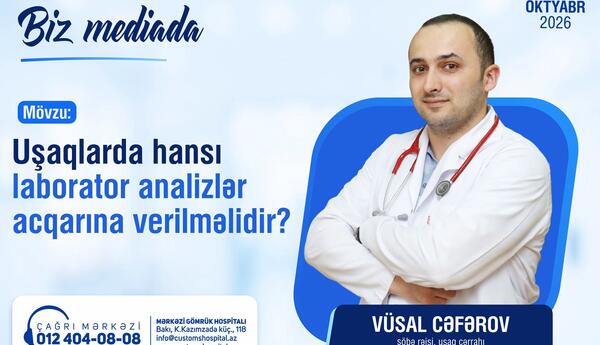
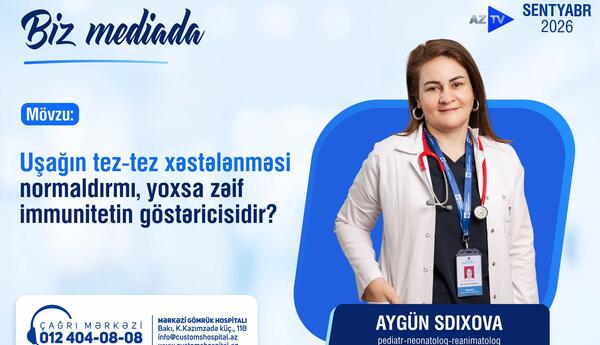
• a hospital provides educational information about medical services and healthy lifestyles;
• a non-profit organization seeks to raise awareness of a social issue.
In all these examples, the key is not simply to distribute information, but to deliver the right information to the right audience, at the right time, and in the right format.
What is Strategic PR Planning?
Strategic PR planning can simply be described as a “communication roadmap leading to a goal.”
Let us imagine that an organization wants to achieve a specific objective. First, it needs to answer the following questions:
Where are we now?
What is the organization’s current reputation and how does the public perceive it?
Where do we want to go?
What is the main objective of our PR activities?
Who are we addressing?
Who is our target audience?
What do we want to say?
What is our key communication message?
How will we deliver the message?
Which channels will be used — media, social networks, events, the website, and other platforms?
How will we measure the results?
Which indicators will we use to determine whether the campaign was successful?
These questions form the foundation of a PR strategy.
Key Components of a PR Strategy
An effective PR strategy consists of several key elements.
1. Research
Research is the starting point of a PR strategy.
An organization should study its audience, competitors, public opinion, the media environment, and its existing reputation.
For example, a hospital can identify the topics that patients ask about most frequently. If people are often interested in laboratory test results, preventive examinations, or symptoms of certain diseases, these topics can become key areas of the communication plan.
2. Objective
PR activities should serve a specific objective.
“Publishing more posts” is not a PR objective.
A more appropriate formulation could be:
“Increase public awareness of specific organizational services over a three-month period.”
The objective should be as specific and measurable as possible.
3. Target Audience
Sending the same message to everyone is not an effective PR approach.
The audience can be divided into different groups:
• patients;
• journalists;
• employees;
• young people;
• parents;
• business representatives;
• professional communities.
The interests of each audience and the way they perceive information are different.
For example, short videos and social media content may be effective for young people, while journalists may prefer facts, expert comments, and statistical data presented in the form of a media pitch.
4. Key Message
In PR, the message is the main idea that the audience should remember.
For example:
“Taking care of your health begins before a disease appears.”
This idea can later be communicated to the audience in different formats — through social media posts, videos, interviews, educational articles, or events.
5. Communication Channels
Where a message is distributed is just as important as the message itself.
The main channels include:
• television;
• news websites;
• newspapers and magazines;
• Facebook;
• Instagram;
• LinkedIn;
• TikTok;
• YouTube;
• the organization’s official website;
• events and seminars;
• email communication.
A professional PR specialist does not use all channels in the same way. They select channels according to the characteristics of the target audience.
Why is Media Relations an Important Part of PR?
One of the main responsibilities of a PR specialist is to build healthy and professional relationships with the media.
Interaction with journalists should not be limited to situations when an organization needs to announce news.
To build long-term media relationships, it is important to:
• know the journalist’s area of expertise;
• offer relevant topics;
• provide information in a timely manner;
• carefully verify facts;
• prepare a concise and clear pitch;
• respond promptly to journalists’ questions;
• conduct professional follow-ups after interviews.
What is a Media Pitch?
A pitch is a brief proposal to a journalist presenting a particular topic or news story.
For example:
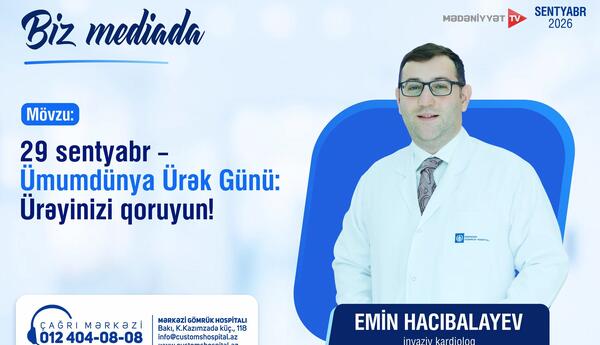
“Why is early prevention of cardiovascular diseases so important? We can provide an interview with a cardiologist and an expert on the subject.”
A good pitch should answer the journalist’s main question:
“Why will this topic be interesting to my audience?”
How is the Success of a PR Campaign Measured?
It is very important to evaluate the results of PR activities. A large number of publications alone does not necessarily mean that a campaign has been successful.
Key indicators include:
• reach;
• number of views;
• likes;
• comments;
• shares;
• website visits;
• audience growth;
• number of inquiries and requests;
• number and quality of media publications.
For example, one publication may reach 100,000 people but generate no real interest.
Another publication may reach fewer people but achieve a high level of engagement and lead to specific inquiries.
Therefore, the main question in PR should not be:
“How many people saw it?”
but rather:
“What changed as a result of the communication?”
How is Generative AI Changing PR?
In recent years, Generative Artificial Intelligence (Generative AI) has created new opportunities for PR professionals.
Generative AI can assist with preparing texts, ideas, structures, and other content formats.
A PR specialist can use AI for tasks such as:
• preparing an initial press release structure;
• generating social media ideas;
• developing message variations for different audiences;
• shortening long texts into concise formats;
• creating content plans;
• preparing an initial version of a media pitch;
• generating ideas for audience segmentation;
• brainstorming campaign concepts.
However, AI is not a tool that replaces the PR specialist.
Information prepared with the help of AI must always be reviewed by a human. Accuracy of facts is especially important in sensitive areas such as healthcare, law, government administration, and other fields.
The Main PR Principle: Strategy → Implementation → Measurement
Professional PR activities can be presented as three main stages:
1. Strategy
What do we want to do and why?
↓
2. Implementation
To whom, through which channel, and in what format do we deliver the message?
↓
3. Measurement
Did we achieve the desired result, and what can we do better?
This process does not end after one cycle.
The results of measurement influence the development of the next strategy. Thus, PR is a continuous process of development and improvement.
Practical Example: A PR Campaign in a Hospital
Let us imagine that a hospital wants to conduct an educational campaign on the prevention of cardiovascular diseases.
Objective:
Increase public awareness of the importance of early prevention of cardiovascular diseases.
Audience:
• people over the age of 30;
• families;
• people belonging to risk groups;
• social media users interested in health-related topics.
Key Message:
“Taking care of your heart health should begin not after symptoms appear, but much earlier.”
Content:
• video interview with a cardiologist;
• educational article;
• infographic;
• social media posts;
• expert commentary for the media;
• “question and answer” videos.
Media Strategy:
Journalists covering this topic are provided with expert interviews and statistical data.
Measurement of Results:
• number of video views;
• post-viewing metrics;
• number of media publications;
• website visits;
• audience questions and inquiries.
Thus, a simple publication can be transformed into a full-fledged PR campaign.
Conclusion
Strategic PR is a systematic activity based on research, with a clearly defined objective, focused on a specific audience, using appropriately selected messages and communication channels, and requiring the evaluation of results.
A successful PR specialist:
researches → plans → develops the message → delivers it to the audience → builds media relations → measures results → improves the strategy.
This approach enables PR to be carried out more effectively and professionally in business, the public sector, non-profit organizations, as well as in healthcare.
And the most important thought is:
PR builds relationships, trust, and reputation through effective communication.
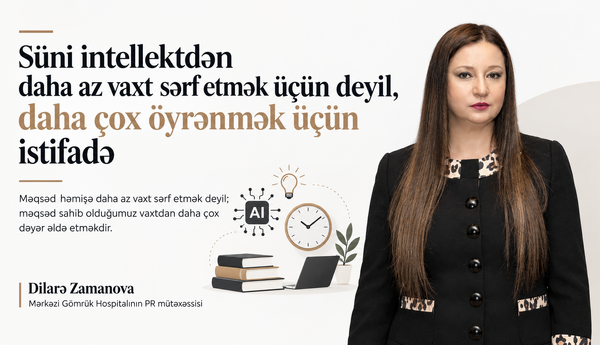
Dilara Zamanova
PR Specialist at the Central Customs Hospital
Bütün xəbərlər Facebook səhifəmizdə


.jpg)
.jpg)








.jpg)

 USD
USD
 EUR
EUR
 GBP
GBP
 RUB
RUB