


In the modern world, information spreads very quickly, and to capture people’s attention, it is crucial to choose the right type of content. In PR, especially in healthcare and medical communication, content should be informative, educational, and reliable.
The most popular and effective PR approaches that attract audience attention are:
1. Educational Articles and Blog Posts
These materials provide readers with useful information that can be applied in daily life. For example:
Simple and practical tips on healthy living and proper nutrition;
Recommendations for disease prevention;
Reliable information about treatment methods and medical innovations.
People like to receive clear and accurate information about health. The main goal is to give the reader a sense of: “I can apply this too.” This builds trust and helps establish healthy relationships with the audience.
Why this approach is effective:
People are looking for useful and informative content, not just advertising or sales messages;
Educational articles are often shared and discussed, creating a natural viral effect;
Readers trust your brand or organization when they gain useful knowledge.
2. Videos and Visual Materials
Videos, infographics, and images are among the most powerful tools for capturing attention on social media. People respond more to visual content because seeing, hearing, and feeling help retain information better.
Examples:
Short videos with practical tips on healthy living, proper nutrition, or medical advice;
Doctor interviews in video format, allowing people to hear expert opinions directly;
Patient stories, which create an emotional connection and make the message memorable.
Why videos and visual materials are effective:
The human brain processes visual information faster;
They create emotional engagement and involve the audience;
High potential for sharing and viral spread on social media;
Information is easier to understand and remember.
3. Social Media Posts
Short, simple, and attention-grabbing posts are one of the most effective communication tools today. People face a lot of information daily, so messages need to be concise, clear, and engaging.
Social media posts on platforms like Instagram, Facebook, and Telegram are ideal for:
Providing tips for a healthy lifestyle;
Informing about new medical services and innovations;
Sharing news, events, and campaigns with followers.
Why social media posts are effective:
People absorb short and visually appealing messages faster;
Posts can be interactive: comments, likes, and shares create direct engagement;
Allows the same message to be adapted for different platforms;
Shows daily brand activity and builds trust.
4. Live Broadcasts and Webinars
Live streams and online seminars are among the most effective ways to communicate on social media. They are especially valuable for doctors, medical experts, and specialists, as they allow direct interaction with followers.
During live sessions, viewers can ask questions and receive answers in real time, creating trust and credibility. Examples:
Doctors deliver live presentations with daily health tips;
Online seminars showcase new medical methods and technologies;
Real-time Q&A sessions increase audience engagement.
Why live broadcasts and webinars are effective:
People value direct communication with experts;
Live sessions build trust and positive impressions of the brand;
This format demonstrates practical knowledge and allows interactive engagement;
Recordings can be viewed later, increasing long-term impact.
5. Patient Stories and Testimonials
Real patient experiences have a strong impact on social media. People are interested not only in official information but also in other people’s experiences. Therefore, patient stories and testimonials are one of the most effective tools for building trust.
Examples:
Patients share their treatment journey, challenges, and successes;
Positive stories enhance hospital credibility and professionalism;
Increase public medical awareness.
Why patient stories are effective:
They create an emotional connection and make messages memorable;
People trust hospitals and doctors when they see real experiences;
Strengthen positive brand image;
When shared on social media, reach a wider audience.
6. Educational and Training Materials
Especially useful for healthcare staff, these materials help demonstrate hospital professionalism and educate the audience. They can include short video lessons, practical instructions, interactive guides, and infographics.
Examples:
A doctor explains proper nutrition in a short video lesson;
Demonstrating new treatment methods;
Sharing daily health tips.
Why educational materials are effective:
People are interested in practical knowledge from reliable sources;
Showcase hospital and doctor expertise, increasing brand trust;
Can be interactive and visual, helping audiences understand better;
Sharing on social media adds value for both existing and new followers.
In the modern world, sharing information is not just about news. Every type of content — article, video, post, live broadcast, or educational material — is used to communicate effectively, build trust, and strengthen reputation. The most important thing is that the information you share is accurate, clear, and reliable. This way, your audience gains useful knowledge and strengthens trust in your brand.
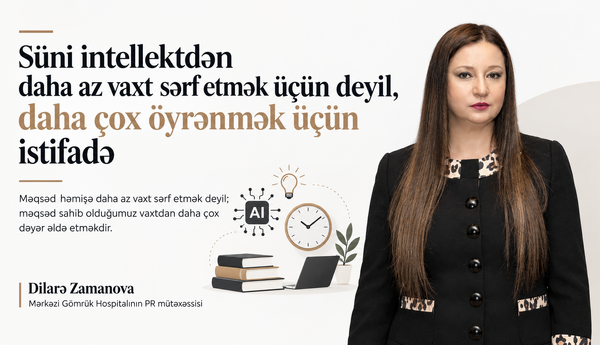
PR Specialist of the Central Customs Hospital
Dilarə Zamanova
If you want, I can also create a concise social media-friendly version of this text in English that is easier to read and more engaging for followers.
Do you want me to do that?
Вы используете менее мощную модель до тех пор, пока ваш лимит не обновится после 14:24.
Bütün xəbərlər Facebook səhifəmizdə
.jpg)
.jpg)



.png)


 USD
USD
 EUR
EUR
 GBP
GBP
 RUB
RUB