



UN Secretary General Ban Ki-moon said Monday the team set up to probe the alleged use of chemical weapons in the Syrian conflict should be allowed to begin its work, DPA reported.
He said the planned probe is at a "crucial moment" because the team has been gathering information, including from Washington. He described that information as "serious."
"The team has been gathering and analysing information and visiting capitals to get relevant information" while waiting for Damascus' green light to enter Syria, Ban said. The small advance team is waiting in Cyprus.
The team was set up at the request of Syria, after the government and the rebels accused each other of using chemical weapons in northern Aleppo in March.
The UN made clear that it would investigate all allegations of chemical weapons use, not just those by the government, but Damascus has refused them entry.
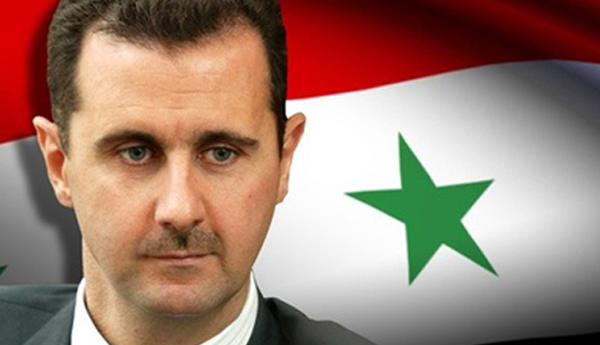
Ban's comments comes amid increasing international concerns that President Bashar al-Assad's government is using chemical weapons against the opposition.
On Friday, the United States and Britain said they had growing evidence chemical weapons were used in various areas across the war-torn country.
US officials have identified the substance as sarin - a highly toxic nerve agent that can cause quick paralysis or death.
Syria dismissed the claim as "false and fabricated."
Meanwhile, an Interfax news report said two missiles were fired at a Russian passenger plane carrying holidaymakers as it flew over Syria on Monday.
The plane with some 200 passengers on board, managed to avoid two surface-to-air missiles, which subsequently exploded close to it, Interfax said, citing an unnamed source.
Nobody was hurt, the report said. The liner belonging to an unnamed Russian airline, was flying tourists from Egypt back to Russia.
In Damascus, Prime Minister Wael al-Halqi survived a bomb attack near his convoy in the upscale neighbourhood of Mezzeh.
"The terrorist blast was an attempt to target the prime minister's convoy and (he) was unharmed," state-television reported.
The Syrian Observatory for Human Rights said the blast killed one of al-Halqi's bodyguards and five civilians.
Al-Halqi appeared on television, which said the footage was filmed after the attack, looking pale and shaken while speaking.
"Such blasts show how bankrupt and frustrated the terrorists and the countries supporting them are as a result of the victories the Syrian army is achieving in foiling their plots," al-Halqi said, according to state news agency SANA.
"These terrorist bombings will only make us determined ... to work more towards ... restoring security and stability in the country," he told a meeting of the government's economic committee.
The bomb was planted under a car in Mezzeh, a highly secured area in western Damascus and home to several senior military and political figures.
Broadcast footage showed dozens of cars and at least two public buses damaged. A body wrapped in a blanket was shown being carried to an ambulance.
A resident told dpa: "It was a strong explosion at a crossroad in Mezzeh, near a park. Smoke billowed from the area. Ambulances and fire fighters arrived minutes later."
Information Minister, Omran al-Zoabi said the assassination bid targeting the premier, who also heads the ministerial committee implementing a political programme aimed at solving the crisis, is a clear message that "certain sides reject any political solution."
Al-Halqi was appointed as premier in August 2012 after his predecessor Riad Hijab defected to the opposition and left to Jordan.
On July 18, key members of President Bashar al-Assad's inner circle were killed and wounded in a bombing at the national security headquarters in Damascus.
Among the dead were defence minister Daoud Rajha and his influential deputy Assef Shawkat - al-Assad's brother-in-law.
In December, a car bomb blew off near the Interior Ministry, killing several people and wounding dozens, including Interior Minister Mohammed al-Shaar, who was transferred to Beirut for treatment.
The two-year old conflict in Syria has left more than 70,000 people killed, according to UN estimates.
Bütün xəbərlər Facebook səhifəmizdə



















 USD
USD
 EUR
EUR
 GBP
GBP
 RUB
RUB