


In today’s information society, the field of public relations (PR) is undergoing a period of profound transformation. The rapid development of digital technologies, the dominant role of social networks in the communication environment, and changes in information consumption behavior have fundamentally reshaped approaches to PR activities. Traditional PR tools no longer meet modern requirements, and it has become impossible to achieve effective results without integration into the digital environment. For many years, traditional PR was primarily built around mass media. Press releases, press conferences, official statements, and media publications were considered the main instruments of communication. Within this model, information flowed mostly in one direction—from institutions to the public. Opportunities for audience feedback were limited, and PR activities largely served an informative function. With the emergence of the digital environment, this approach has changed significantly. Social networks have accelerated the dissemination of information and transformed audiences from passive recipients into active participants. Users now not only consume information but also comment on it, share it, discuss it, and directly influence the formation of public opinion. This reality requires PR professionals to adopt more flexible, responsive, and transparent communication strategies. Social media has become one of the key platforms of modern PR. Today, the reputation of a brand, institution, or organization is shaped not only by official media content but also by communication on social networks, user reviews, comments, and reactions. Social platforms provide broad opportunities to establish direct dialogue with the public, build trust, and create an open communication environment. At the same time, improper management of social media increases reputational risks. A minor misstatement, delayed response, or unprofessional handling of negative feedback can quickly escalate into a large-scale communication crisis. Therefore, digital PR activities require a systematic approach, a clear strategy, and a pre-developed crisis communication plan. The primary goal of PR is to build public trust and a positive reputation. Marketing, on the other hand, focuses mainly on product or service sales and commercial results. Social media marketing (SMM) combines the tools of both areas, managing and promoting content across social platforms. However, SMM activities conducted without a PR-driven approach may deliver short-term results while posing serious risks to long-term reputation. An overemphasis on sales-oriented and advertising content on social media reduces audience trust and negatively affects brand image. For this reason, modern communication strategies should integrate PR and SMM as a unified system. Modern PR is no longer limited to the mere transmission of information. Today, PR is the art of building sustainable relationships with the public, maintaining open dialogue, and creating a communication environment based on mutual trust. Organizations that succeed in the digital environment are those that can listen to their audiences, communicate transparently and responsibly, and adapt quickly to the constantly changing information landscape.
In this context, developing digital competencies, establishing strategic and professional social media practices, and timely assessment of reputational risks have become key professional requirements for PR specialists. Proper implementation of digital PR not only strengthens image and credibility but also contributes to the formation of healthy, long-term relationships with the public.
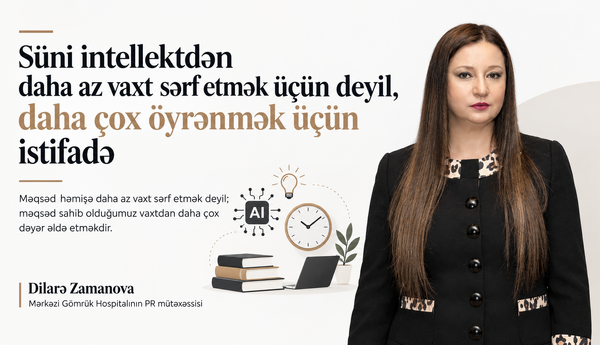
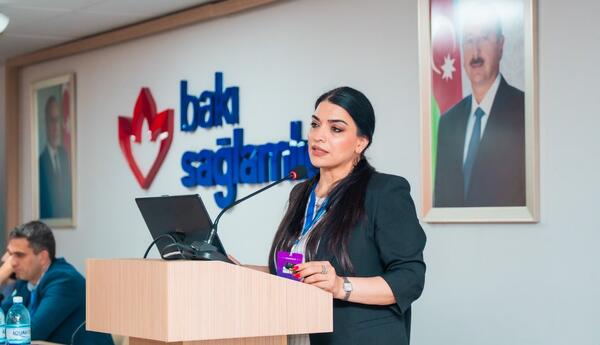
Dilara Zamanova
PR Specialist
Bütün xəbərlər Facebook səhifəmizdə

.jpg)
.jpg)







.png)


 USD
USD
 EUR
EUR
 GBP
GBP
 RUB
RUB