


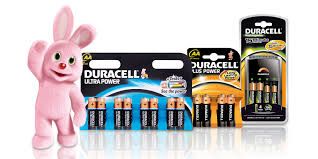
Procter & Gamble’s Duracell jolt highlights the value of focus at the sprawling $225 billion consumer products giant. Investors were energized by the detergent-to-diapers behemoth’s plan to offload its batteries arm. Spinning off copper tops won’t create much value on its own. But it’s a solid plank in boss A.G. Lafley’s campaign to shed underperforming brands and simplify an unwieldy business.
P&G’s shares rose 3 percent on news of the battery exit, which will probably take the form of a spinoff to shareholders. The resulting $7 billion lift to P&G’s market value handily matches the price Gillette paid for the top U.S. battery brand in 1996. P&G inherited Duracell when it bought Gillette nine years later.
Duracell is unlikely to be worth that much as a stand-alone company. Analysts at Bernstein estimate the battery unit makes earnings before interest, tax, depreciation and amortization of about $580 million – or 3 percent of P&G’s forecast EBITDA for the fiscal year ending next June, according to estimates tracked by Thomson Reuters. On an enterprise multiple of seven times EBITDA – a steep discount to P&G’s 13 times EV/EBITDA, to reflect the fact that batteries are a mature, commodity product with few growth prospects – the business would be worth $4 billion.
The spinoff may be more valuable for the signal it telegraphs. Coming less than three months after Lafley announced a plan to cull up to 100 lackluster brands, it suggests the P&G chief is working with appropriate urgency and willing to consider large divestitures.
It will take time for Lafley to show that narrowing P&G’s focus to a few dozen core brands can revive sluggish sales. Announcing its quarterly results on Friday, P&G said it still expects only modest single-digit increases in annual revenue growth in 2015. Still, the market’s energetic reaction suggests the lumbering giant is moving in the right direction.

Bütün xəbərlər Facebook səhifəmizdə






























 USD
USD
 EUR
EUR
 GBP
GBP
 RUB
RUB