


S&P: The peace process between Azerbaijan and Armenia has entered the most constructive phase in decades
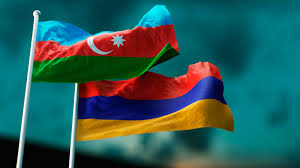
The peace process between Azerbaijan and Armenia has improved significantly, APA reports, citing the international rating agency S&P Global Ratings.
It was noted that the 2025 declaration has reduced short-term conflict risks, while planned defense-spending cuts in the 2026 budgets of both sides demonstrate their confidence in the political course.
The peace process between Azerbaijan and Armenia has entered the most constructive phase in decades, although the transition from a high-level political declaration to a comprehensive, legally binding peace treaty has not yet been completed.
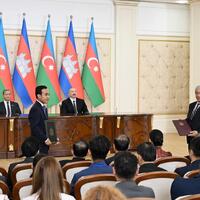
The August 2025 declaration, achieved through U.S. mediation, marked substantial progress by establishing commitments on mutual recognition, accelerated border delimitation, and the opening of regional transport routes.
However, the agreement is not legally binding. Key institutional elements such as security guarantees, monitoring mechanisms, and provisions related to former Karabakh Armenians have not yet been fully codified, which limits its durability.
Implementation following the declaration has advanced slowly. The most sensitive political obstacle to a full peace treaty is Azerbaijan’s expectation that Armenia remove from its constitution any provisions that could imply claims to Karabakh. This faces domestic political resistance in Yerevan.
The previous dispute over the transport corridor to Nakhchivan has been resolved politically. The parties have agreed that all new routes will operate under the full sovereignty of the country through which they pass. However, technical issues such as details of security protocols, customs procedures, and phased infrastructure development still need to be settled.
The risk of a return to large-scale conflict has decreased substantially, but due to the absence of a formal peace treaty, the process remains highly dependent on political will and progress in technical negotiations. Without mutually acceptable agreements on security and operational matters, the current phase of stability may remain vulnerable to internal or regional shocks.

Bütün xəbərlər Facebook səhifəmizdə

.jpg)











 USD
USD
 EUR
EUR
 GBP
GBP RUB
RUB