



Dilara Zamanova, PR Specialist, Central Customs Hospital
In today’s communication environment, the concepts of PR and SMM are often confused. Especially in the era of active social media, many organizations believe that regular posting automatically means doing PR. However, these two directions serve different purposes, follow different strategies, and produce different results.
What is PR?
PR (Public Relations) refers to managing communication between an organization and the public.
The main goal of PR is to build a positive image, protect the organization’s reputation, and establish long-term trust with society.
PR is not a short-term tool. It is a strategic and continuous process.
The main objectives of PR:
• Strengthening the organization’s image
• Protecting reputation
• Building trust
• Managing public opinion
• Handling crisis communication
How people perceive your organization and how much they trust it — this is the result of PR.
What is SMM?
SMM (Social Media Marketing) is marketing carried out through social media platforms.
The main goal of SMM is to attract an audience via social platforms and increase sales, inquiries, and demand for services.
SMM focuses on measurable results:
• How many views did the post receive?
• How many inquiries were generated?
• How many sales did the advertisement bring?
SMM is more commercially oriented and performance-driven.
The Strategic Difference Between PR and SMM
Difference in Purpose
PR aims to build image and reputation.
SMM aims to increase sales and inquiries.
PR creates long-term trust.
SMM generates quicker, short-term results.
Time Perspective
PR is a long-term strategy.
SMM is campaign-based and more operational.
PR may take years to build.
An SMM campaign can show results within weeks.
Mechanism of Influence
PR builds emotional and psychological trust.
SMM accelerates decision-making.
Simply put:
• PR says: “You can trust us.”
• SMM says: “Contact us now.”
Platform Difference
PR is not limited to social media. It includes:
• Media relations
• Press releases
• Interviews
• Conferences and events
• Corporate social responsibility projects
• Official statements
• Live broadcasts
• Television appearances
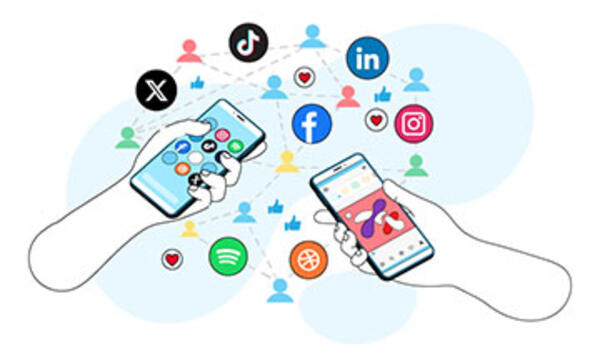
SMM mainly operates through platforms such as:
• TikTok
• YouTube
The Role of PR and SMM in Healthcare
In the healthcare sector, this distinction is especially important because trust is more important than sales.
If a medical institution lacks a strong reputation, even intensive advertising may not lead to sustainable results.
Therefore, in healthcare, PR comes first:
• Building doctors’ expert positioning
• Organizing educational and awareness activities
• Establishing cooperation with media
• Ensuring transparency of information
After that, SMM helps increase inquiries and service demand based on that strong reputation.
SMM Without PR Is Risky
If the organization’s image is weak, SMM may provide short-term results but will not ensure long-term success.
People first want to trust.
PR builds trust.
SMM converts that trust into inquiries and sales.
Comparison Table
PR SMM
Builds image Increases sales
Develops reputation Attracts customers
Long-term impact Short-term campaigns
Creates trust Generates engagement
Strategic communication Marketing tool
For a successful communication strategy, trust must come first — and sales follow.
Dilara Zamanova
PR Specialist
Central Customs Hospital
Bütün xəbərlər Facebook səhifəmizdə
















.jpg)
 USD
USD
 EUR
EUR
 GBP
GBP
 RUB
RUB