


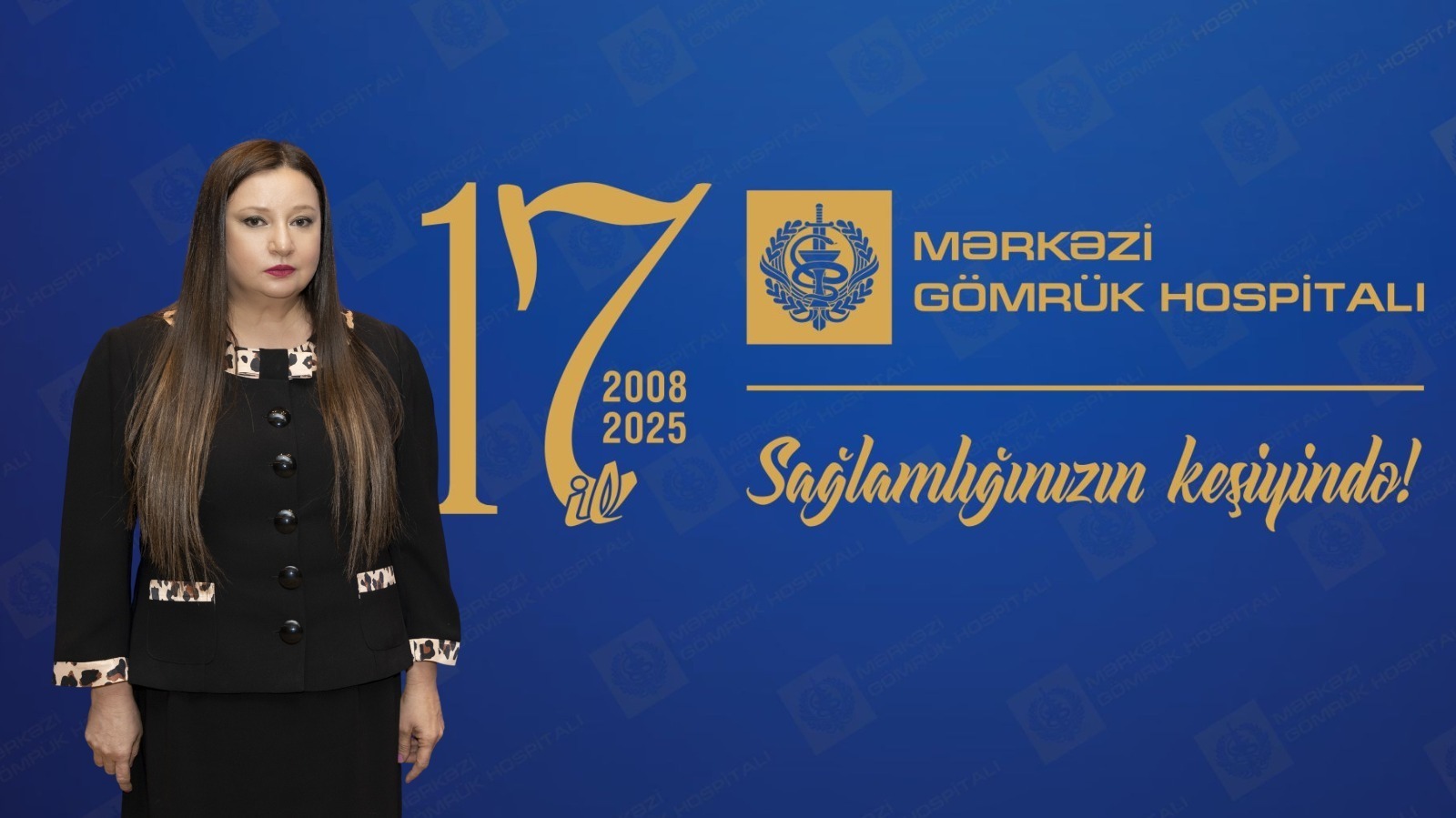
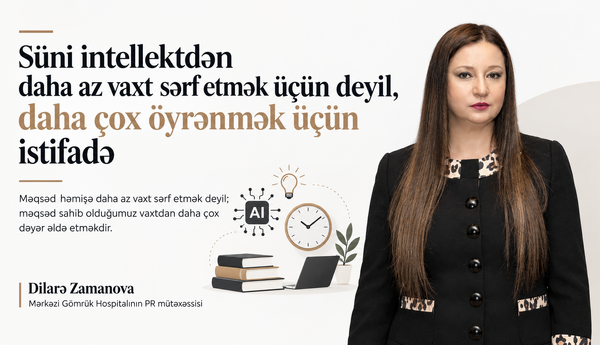
Author: Dilara Zamanova, PR Specialist In the modern era, the healthcare system is no longer limited solely to the provision of medical treatment. Against the backdrop of rapid technological advancement and the widespread use of social media, educating patients in a timely, accurate, and accessible manner has become one of the key communication priorities of healthcare institutions. An informed patient makes more responsible decisions, adheres more consistently to preventive measures, and takes a more active role in the treatment process.
Approximately 70 percent of the social media strategies of leading medical institutions worldwide are based on educational content. Such content makes a significant contribution to improving public health literacy, promoting early diagnosis of diseases, and strengthening preventive healthcare practices.
Social media platforms have evolved beyond being mere channels for information dissemination and have become effective tools for building trustworthy dialogue with society. Clinics and hospitals use these platforms to provide comprehensive yet easy-to-understand explanations about disease symptoms, risk factors, diagnostic procedures, and treatment options. At the same time, they respond to patients’ questions, address common concerns, and enhance public trust in the healthcare system.
This open and transparent communication model fosters strong and reliable relationships between patients and healthcare institutions. People receive essential information before consulting a physician, become more attentive to their own health, and approach medical recommendations with greater responsibility. As a result, educational content not only informs but also contributes to the formation of a health-conscious culture, the strengthening of preventive thinking, and the building of a healthier future for society.
Key Methods Used in Patient Education
Several core methods are systematically applied to ensure effective patient education:
1. Clear and accessible language
Educational materials are not overloaded with medical terminology. Complex concepts are explained in everyday language so that people of all ages and educational backgrounds can easily understand the information.
2. Use of visual content
Infographics, short videos, animations, and illustrations help information to be absorbed and remembered more effectively. A significant portion of healthcare social media content is built around visual materials.
3. “Frequently Asked Questions” format
Topics that patients are most interested in are presented in a question-and-answer format. This approach is considered effective both for education and for increasing interactivity.
4. Direct involvement of physicians
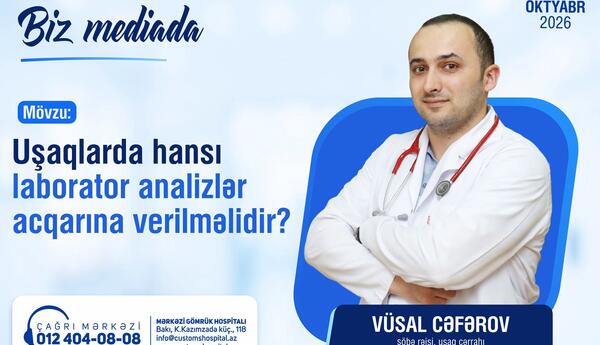
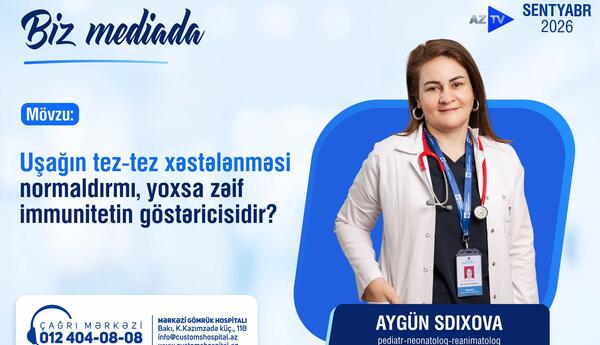
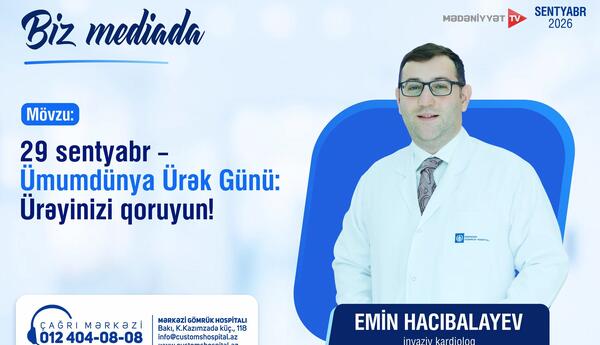
The participation of doctors in educational videos and posts increases patients’ trust in the information provided. Direct explanations from medical professionals are perceived as more sincere and convincing than formal announcements.
5. Preventive-focused content
Posts dedicated to healthy nutrition, physical activity, mental health, the consequences of harmful habits, and the importance of early screening play a crucial role in shaping patient behavior.
6. Consistent and continuous communication on social media
Patient education is not a one-time campaign but an ongoing and systematic process that requires continuity and consistency.
The Contribution of Educational Content to Healthcare
Patient education improves the expected quality of healthcare services, increases patient satisfaction, and reduces the additional burden on the healthcare system. Informed patients are more likely to follow medical advice, take greater responsibility for their health, and integrate preventive measures into their daily lives.
Today, patient education is not an auxiliary tool but a strategic necessity in healthcare communication. Resources invested in this area contribute in the long term to the formation of a healthier society, increased trust in the healthcare system, and improved social well-being. Steps taken in this direction are of great importance for protecting public health and ensuring the well-being of future generations.
Dilara Zamanova
Public Relations Specialist
Central Customs Hospital
Bütün xəbərlər Facebook səhifəmizdə

.jpg)
.jpg)





.png)

 USD
USD
 EUR
EUR
 GBP
GBP
 RUB
RUB