


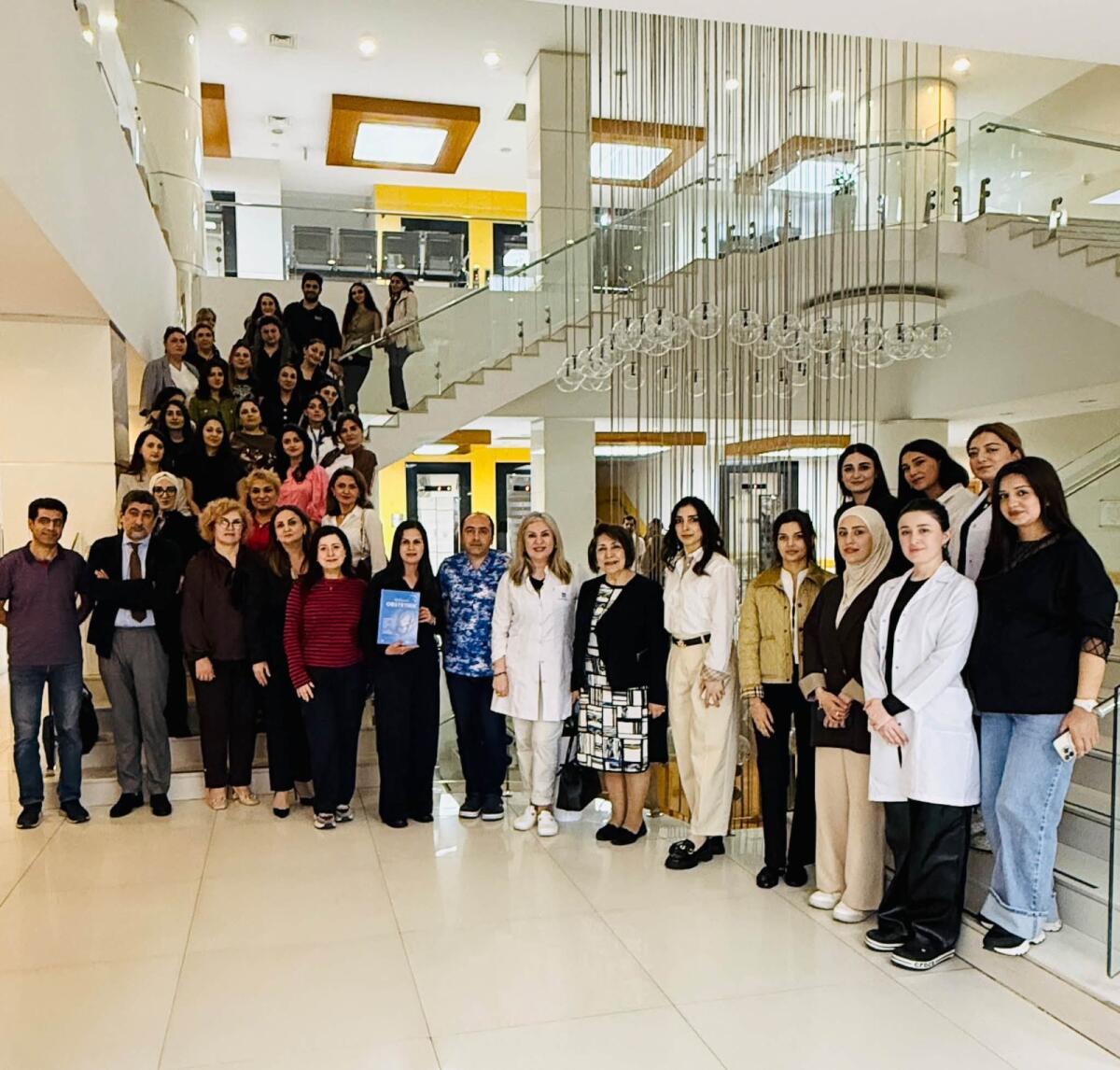
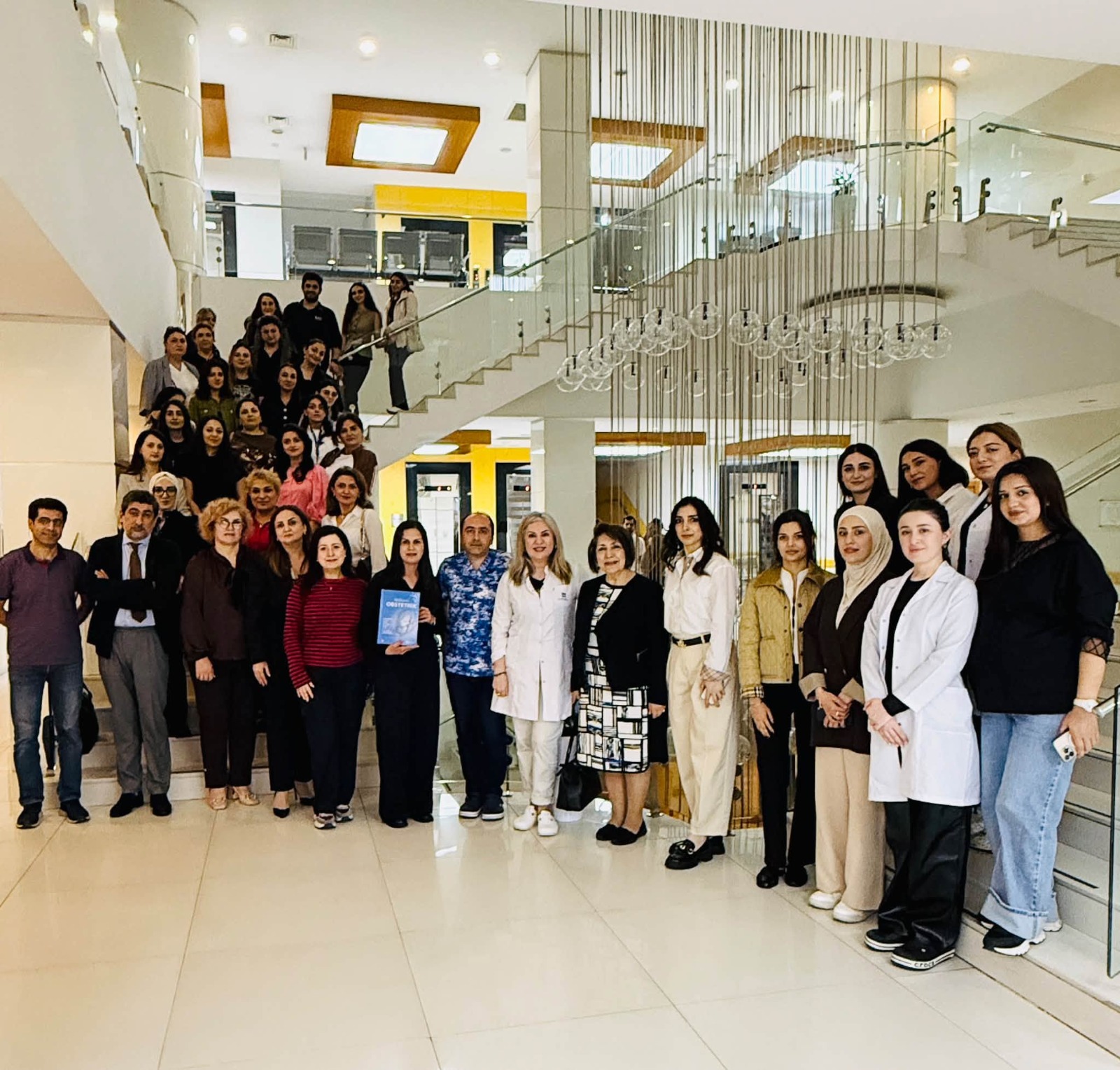
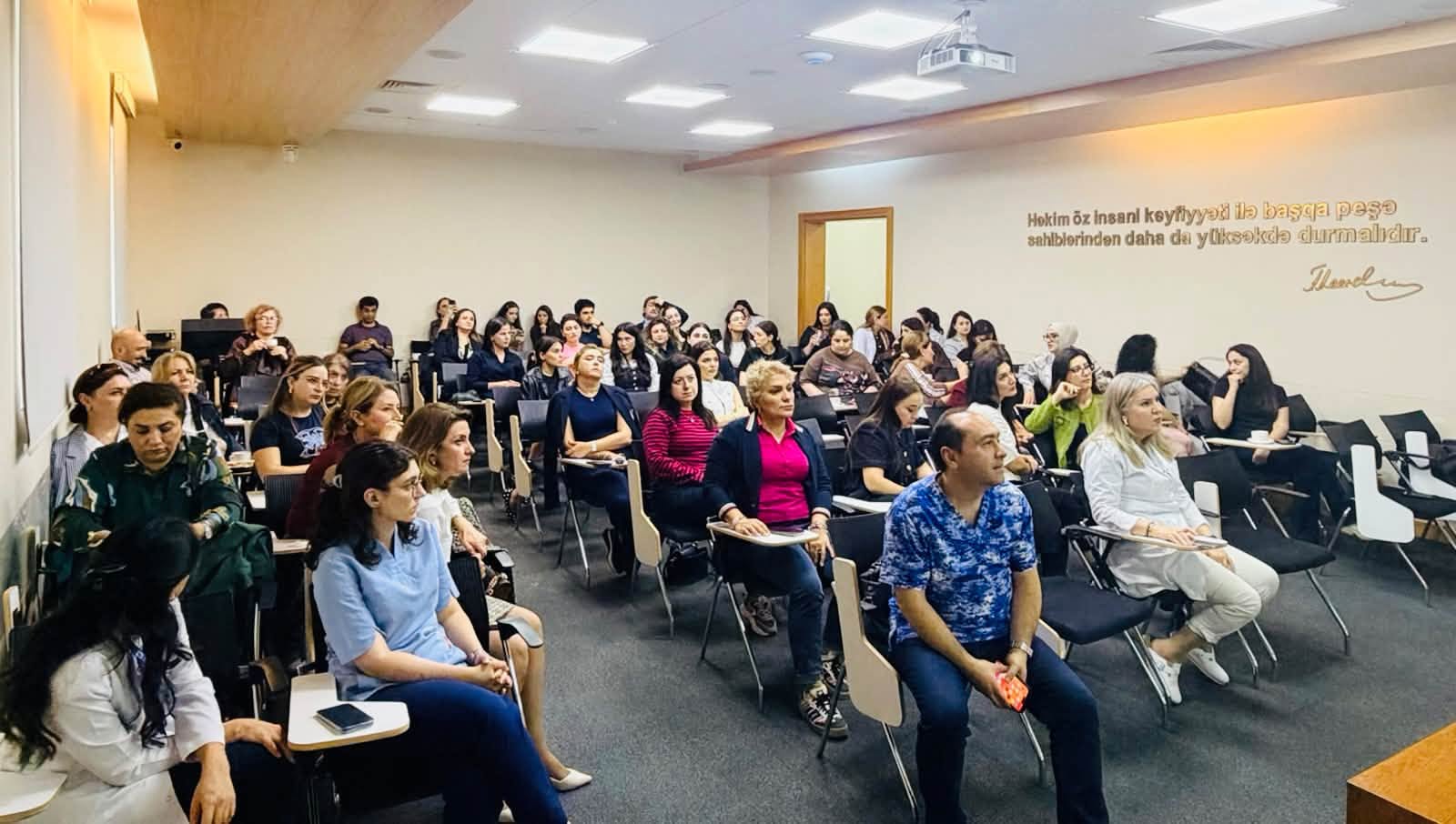
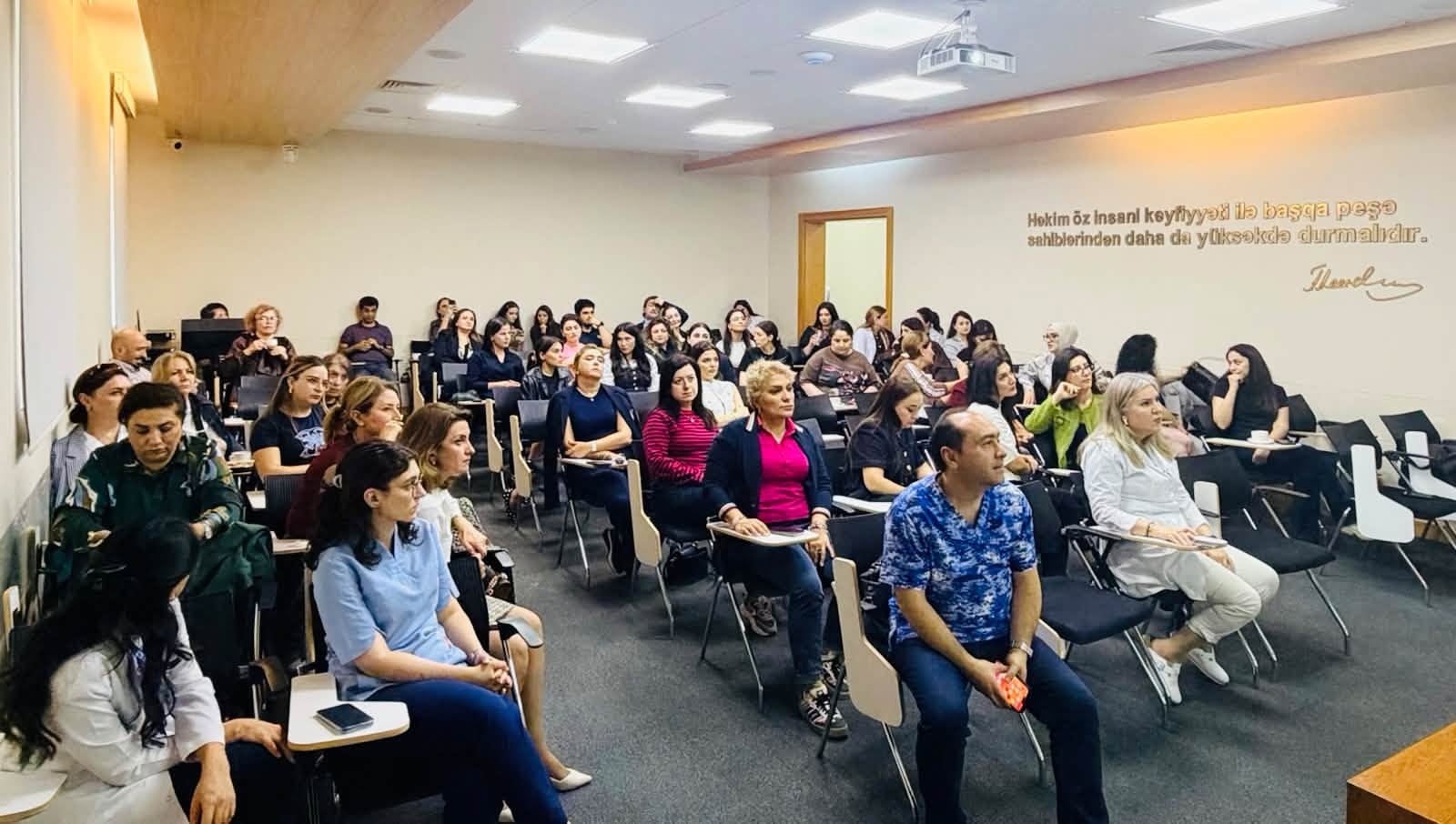
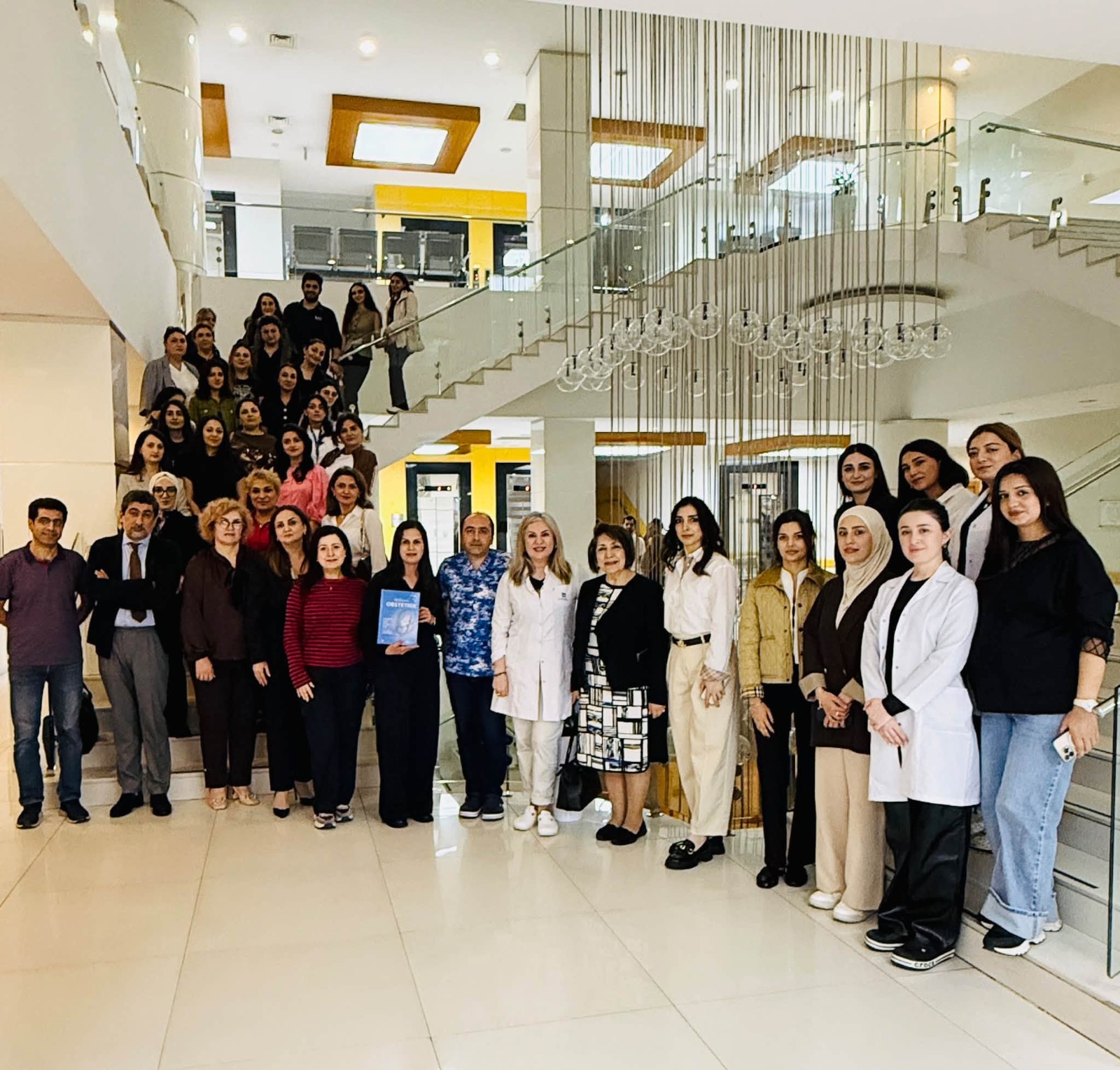
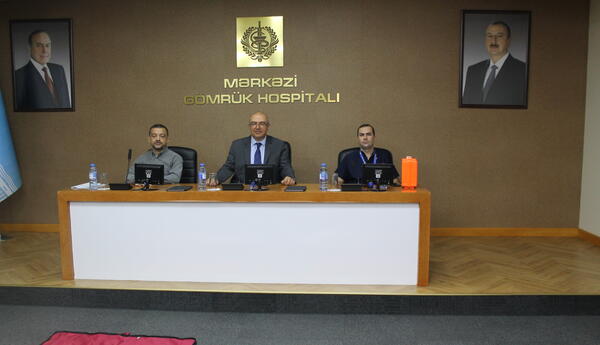
On October 17, 2026, the Central Customs Hospital held its regular monthly meeting of obstetricians and gynecologists, dedicated to the topic “Thromboembolism in Pregnancy: Risks, Diagnosis, and Prevention.”
The scientific meeting was opened by Tarana Bayramova, Head of the Obstetrics and Gynecology Department at the Central Customs Hospital. In her welcoming remarks, she emphasized the importance of professional knowledge and experience sharing among specialists and invited participants to engage in an open discussion of the topics presented.
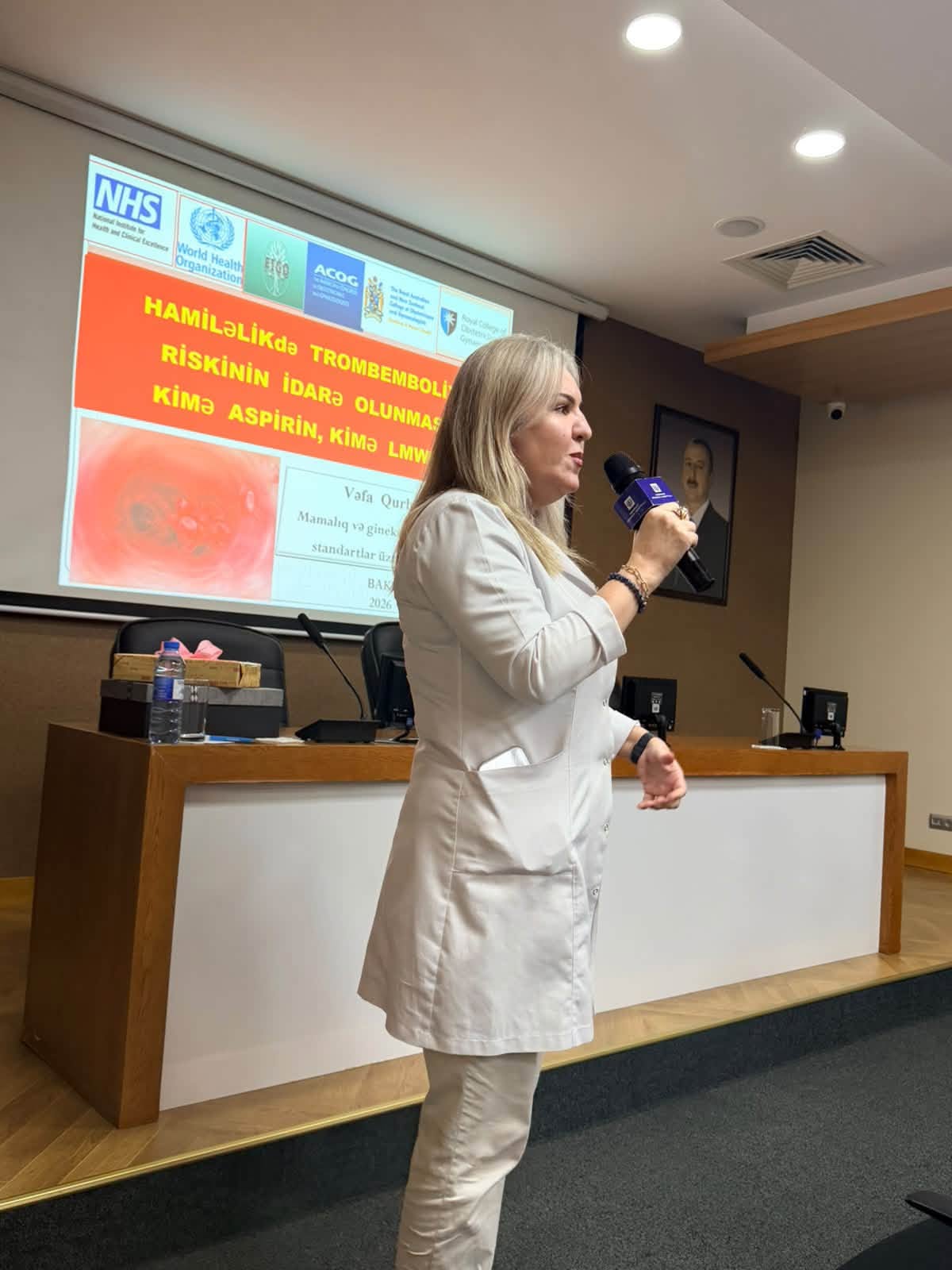
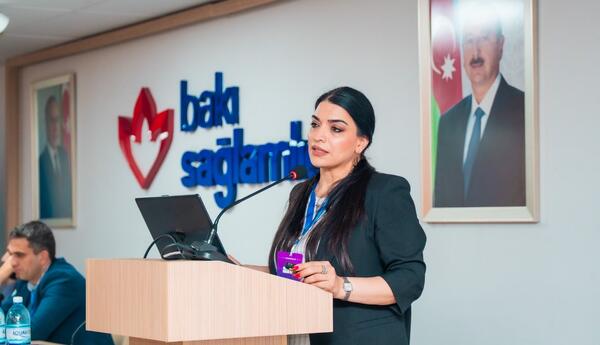
During the meeting, Vafa Gurbanova, an expert specialist of the Ministry of Health of the Republic of Azerbaijan and an obstetrician-gynecologist, delivered a comprehensive presentation entitled “Managing the Risk of Thromboembolism in Pregnancy: Who Should Receive Aspirin and Who Should Receive Low-Molecular-Weight Heparin (LMWH)?”
In her presentation, Vafa Gurbanova addressed the prevention of thromboembolic complications during pregnancy, the timely identification of risk factors, and the selection of appropriate preventive treatment strategies. The discussion also covered the assessment of thromboembolism risk during pregnancy and the postpartum period, individualized planning of preventive measures, and ensuring appropriate medical monitoring of patients. Particular emphasis was placed on the importance of these approaches in protecting maternal health and reducing the risk of potential complications.
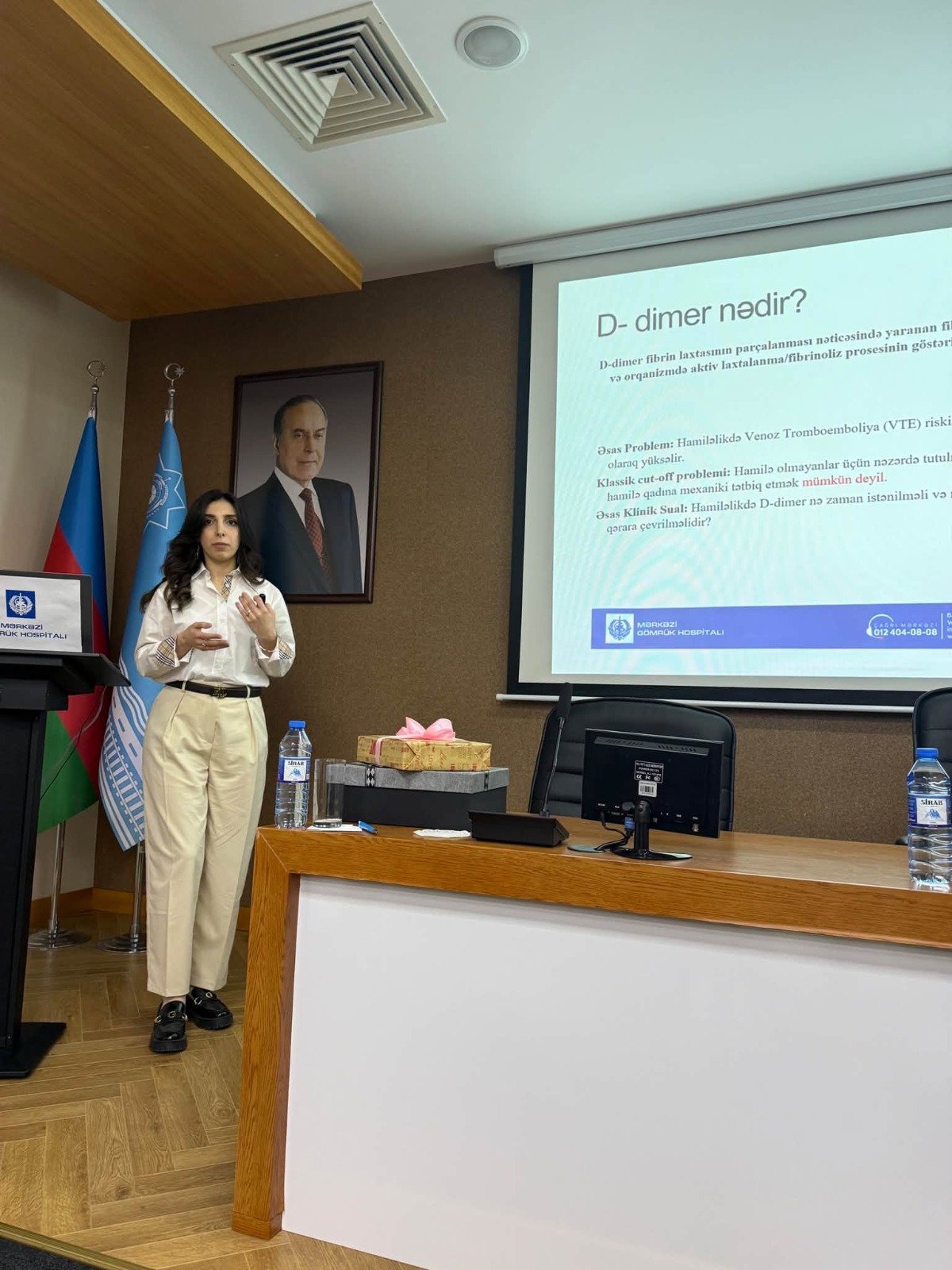
Subsequently, Gullyukhanim Rahimova, a resident physician at the Central Customs Hospital, delivered a presentation entitled “D-Dimer During Pregnancy and the Postpartum Period: When Should It Be Ordered and How Should the Results Be Interpreted?” She explained the role of the D-dimer test in diagnosing thromboembolic disorders, the impact of physiological changes during pregnancy on laboratory parameters, and the importance of interpreting test results in the context of the patient’s clinical condition.
During the presentation, it was noted that D-dimer levels may increase physiologically during pregnancy, requiring a specific approach to interpreting the results. The participants were informed about the indications for ordering the test, the importance of evaluating the results alongside clinical symptoms and other diagnostic findings, and the need for additional diagnostic investigations in patients with suspected thromboembolism.
The discussions of both topics played an important role in sharing modern approaches to the prevention and diagnosis of thromboembolic complications during pregnancy and the postpartum period, enhancing clinical knowledge, and strengthening professional exchange of experience among obstetricians and gynecologists.
The scientific and practical meeting held at the Central Customs Hospital aimed to support the continuous professional development of medical specialists, integrate modern medical knowledge into clinical practice, and promote evidence-based approaches to safeguarding maternal health.
The meeting concluded with answers to participants’ questions and an exchange of views on the topics discussed.
Bütün xəbərlər Facebook səhifəmizdə













 USD

 EUR

 GBP
 RUB