


In the modern communication environment, the relationship between brands and their audiences is undergoing a fundamental transformation. Organizations are no longer just information transmitters; they also act as entities that maintain continuous dialogue with their audience and build an active community around themselves. In this context, community management is considered one of the key directions of PR in 2026.
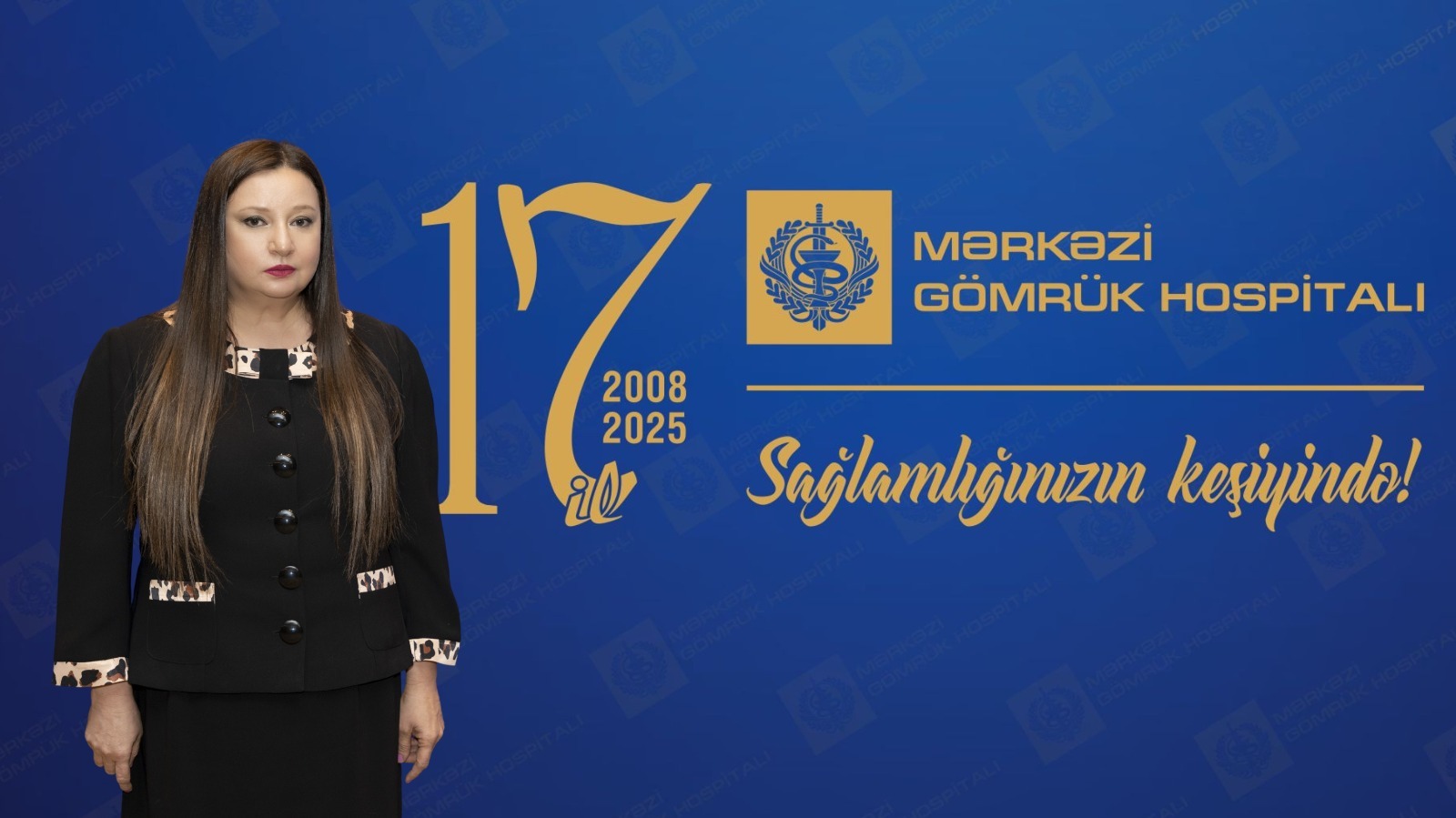
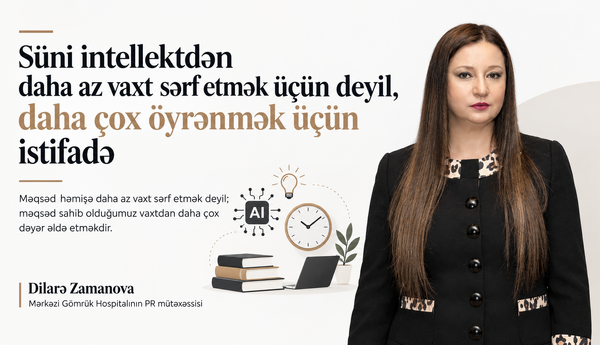
On this topic, we spoke with Dilarə Zamanova, PR specialist at the Central Customs Hospital.
—İn recent years, the term “community management” has been mentioned more frequently in the PR field. What does this term mean?
— Community management refers to the process of establishing systematic, continuous, and goal-oriented communication with the audience formed around a brand, organization, or institution, transforming them from passive followers into active participants. This concept is not limited to planning and managing social media posts.
Community management also involves understanding the needs and expectations of the audience, carefully listening to their opinions and suggestions, providing timely and appropriate responses to feedback and questions, and establishing open and transparent dialogue. This process contributes to the formation of mutual trust and strengthens continuous engagement between the organization and its audience.
In modern PR, community management is of particular importance for protecting and enhancing an organization’s public image. A well-structured communication system ensures the formation of trust-based relationships between the organization and its audience, contributes to the healthy development of public opinion, and provides a sustainable communication environment in the long term.
— Why is community management considered one of the main pillars of PR in 2026?
The overwhelming flow of information in the digital environment has significantly reduced the audience’s trust in classical advertising and one-way communication methods. Modern audiences are interested not only in what brands say but also in what people think about these brands.
Real user experience, open dialogue, and interactive communication models play a key role in building trust. For this reason, community management becomes an essential tool for establishing reliable and lasting relationships between a brand and its audience.
Communication strategies built on continuous dialogue play a decisive role in protecting brand reputation and shaping public opinion.
— What are the main advantages of an active community for a brand?
— An active communication environment provides several important advantages for a brand. First, it helps increase trust in the brand and ensures continuous engagement with the audience. At the same time, in times of crisis, an active communication environment acts as a support mechanism, helping to shape balanced and constructive public opinion. In addition, it creates favorable conditions for the organic dissemination of information, encourages user-generated content, and enhances the long-term effectiveness of PR activities.
— What are the functions of a modern community manager?
— Today, the functions of a community manager have significantly expanded and are no longer limited to technical oversight of social platforms. The community manager acts as a primary liaison between the organization and its audience, ensuring daily and direct communication. They also serve as a communicator, analyst, and crisis manager.
The main responsibilities of a community manager include establishing timely, consistent, and ethical communication with the audience, promoting discussions, responding to inquiries and messages, supporting and encouraging user-generated content, and managing negative feedback without escalating conflicts. They also maintain emotional balance, ensure open dialogue, oversee the establishment and enforcement of rules within the communication environment, and guarantee that the organization’s position is presented accurately and consistently.
— What is the difference between a community manager and a PR manager?
— A PR manager primarily operates at a strategic level. They shape the organization’s overall communication policy, manage media relations, oversee brand image and reputation, handle official statements, and plan PR campaigns. Their work mainly focuses on long-term strategy and institutional communication.
In contrast, a community manager implements this strategy in daily practice. They interact directly with the audience, monitor real-time responses, analyze public sentiment, and provide insights to improve the PR strategy. While a PR manager answers the question, “What should be said?” the community manager answers, “How is the audience perceiving it?”
Thus, in the modern PR system, community managers and PR managers act as complementary roles, performing distinct but interconnected functions.
— What is the role of artificial intelligence tools in community management?
— By 2026, the role of artificial intelligence (AI) tools in community management has significantly increased, and these tools have become an integral part of modern PR strategies. AI enables the analysis of audience behavior, identification of trending topics and popular questions, and assessment of user reactions. These tools also help prepare automated responses to frequently asked questions, systematize user inquiries, and plan interactive content strategies.
AI also allows community managers to manage time more efficiently, optimize data analysis, and plan content more effectively. By predicting audience interests and behavior patterns, AI facilitates faster and more accurate decision-making in crises and critical situations.
However, it is important to note that the core functions of community management—emotional connection, empathy, and trust-building—can only be performed by humans. AI serves only as an assistant and cannot replace real, interactive engagement with the audience. Therefore, modern community managers must combine human insight with AI tools for strategic support.
— Finally, what would you recommend to PR specialists and organizations?
— In modern PR strategies, social media should not be viewed merely as a platform to gain followers but as a key tool for creating an active communication and dialogue environment. Audiences today pay attention not only to what the brand says but also to discussions around the brand, user experiences, and authentic feedback. Therefore, organizations should focus not only on increasing follower numbers but on creating a strong and reliable communication environment.
Brands that listen to their audience, value their opinions, and foster open dialogue achieve long-term success. An active communication environment not only builds trust but also serves as a support mechanism during crises, encourages user-generated content, and optimizes PR expenditures. Reliable and continuous audience engagement, regardless of strategy or technology, plays a decisive role in protecting brand reputation.
In the PR environment of 2026, the main advantage belongs not to strong campaigns but to brands with strong and active communication systems. This approach allows organizations to go beyond mere follower count, understand audience preferences, and build long-term trust. As a result, a brand is not only recognized but also supported and advocated by its audience.
Bütün xəbərlər Facebook səhifəmizdə
.jpg)
.jpg)






.png)


 USD
USD
 EUR
EUR
 GBP
GBP
 RUB
RUB